China is experiencing rapid growth. An industry report estimates that the Chinese flower packaging market will reach approximately 107.25 billion RMB in 2026, representing a year-on-year increase of about 30%. Flower gift packaging and packaged flowers are the two main growth drivers, with e-commerce and the holiday economy also contributing significantly. The evolution of flower packaging in China follows the evolving gift-giving context.
The key to successful flower packaging is “selling both aesthetics and freshness”: wrapping paper adds a sense of ceremony, flower boxes maintain the flower’s form, and preservation is paramount—doing these three things right elevates the act of “buying flowers” to “giving heartfelt wishes.”
Preservation is the core technology. Flowers are susceptible to dehydration and pressure: water-retaining cotton, floral foam for fixation, modified atmosphere packaging (extending vase life), and cold chain transport boxes are all preservation methods. E-commerce flower packaging must withstand the bumps and delays during transit. The freshness of flowers depends on every layer of packaging.
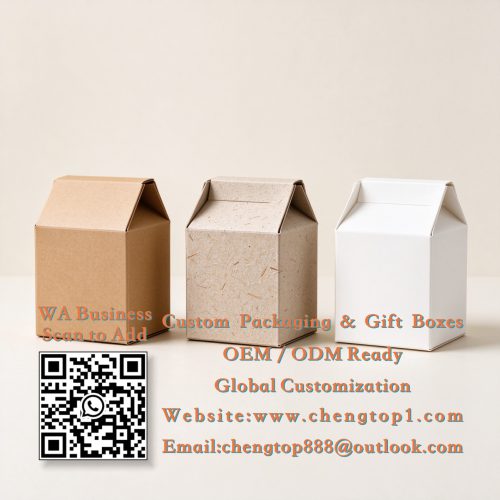
Packaging types are becoming increasingly sophisticated. Bouquet packaging (wrapping paper, PVC bags): Daily use in florists, focusing on aesthetics and damage prevention; Flower boxes (windowed flower boxes, rigid boxes): Mainstream for flower gifts, emphasizing a sense of occasion; Flower buckets and shipping boxes: Wholesale and e-commerce, focusing on insulation and secure packaging. Packaging formats follow sales channels.
Data varies across companies, but the direction is consistent. Focusing on cut flower packaging, the market is projected to reach approximately $2.53 billion in 2026 and $4.59 billion in 2035, with a CAGR of approximately 6.8%; the narrower category of flower boxes is projected to reach approximately $1.8 billion in 2026. E-commerce for fresh flowers and gift consumption are common drivers.
Degradability is accelerating. Under the environmental trend, biodegradable flower packaging (paper-based, bio-based film) is expanding at a CAGR of over 7%: Paper bags and boxes replacing plastic are a strong trend in European and American markets. Biodegradable flower packaging is a testament to “florists also being environmentally conscious.”
Outside the flower shop, bouquets wrapped in paper and carried in flower boxes: flower packaging connects freshness to a sense of occasion. This category is transforming from a “side role” for flower shops into an independent business. This article clarifies the trends in the flower packaging market, providing a useful reference for clients in the flower e-commerce and gift brand sectors.