

Seasonal Sticker Marketing: Run Holiday Campaigns Without Reprinting Your Boxes
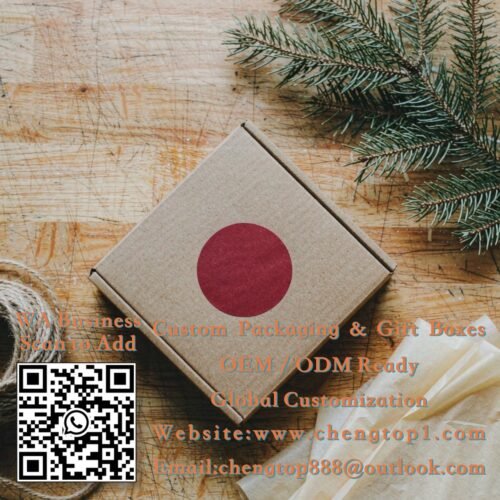
The holiday campaign is approved in October — and the warehouse is full of boxes printed with the year-round design you approved last spring. Reprinting packaging for six weeks of season would burn the budget on stock you cannot use in January. A layer of seasonal stickers turns the same neutral boxes into holiday packaging in one afternoon.
Solicitar un presupuesto
Introduce la cantidad que necesitas y añádela a tu lista de presupuestos para solicitar precios.
Descripción
Seasonal marketing collides with packaging economics every year in the same place: printed boxes are committed assets, and seasons are not. The practical answer most strong brands converge on is a two-layer system — keep the base packaging neutral all year, and let custom stickers carry the seasonal colour, the campaign message and the limited-edition feel. This guide covers how the split works, what a seasonal sticker set should contain, and the order timing that keeps the campaign from arriving in January.
Neutral Base, Seasonal Layer: How the Split Saves Money

The maths is lopsided in the sticker’s favour. A rigid or folding box with full seasonal printing carries tooling, longer runs and disposal risk: whatever is left on 26 December is dead stock until next year, and only if the campaign repeats unchanged. A seasonal sticker layer rides on boxes you were buying anyway, so the campaign budget buys exactly the seasonal surface area customers actually see. When a 10,000-box run needs a holiday look, a box reprint adds cost and risk to all 10,000 units, while the sticker version adds a per-unit cost measured in cents on the same boxes.
Three rules keep the split working:
- Design the base to host seasons: neutral box colour, logo placed where a seal or band sticker can sit near it without fighting it.
- Let the sticker carry all the seasonal cues — colour, motif, campaign line — so returning to the year-round look needs nothing removed.
- Match the finish deliberately: a matte sticker on a matte box reads as printed-on; a gloss sticker reads as an intentional campaign badge.
Brands that skip the first rule end up with seasonal stickers floating on boxes that were never designed to receive them — the campaign works, but it looks pasted on rather than planned.
What a Seasonal Sticker Set Actually Contains

A holiday campaign rarely needs one sticker; it needs a small set, each piece doing a different job:
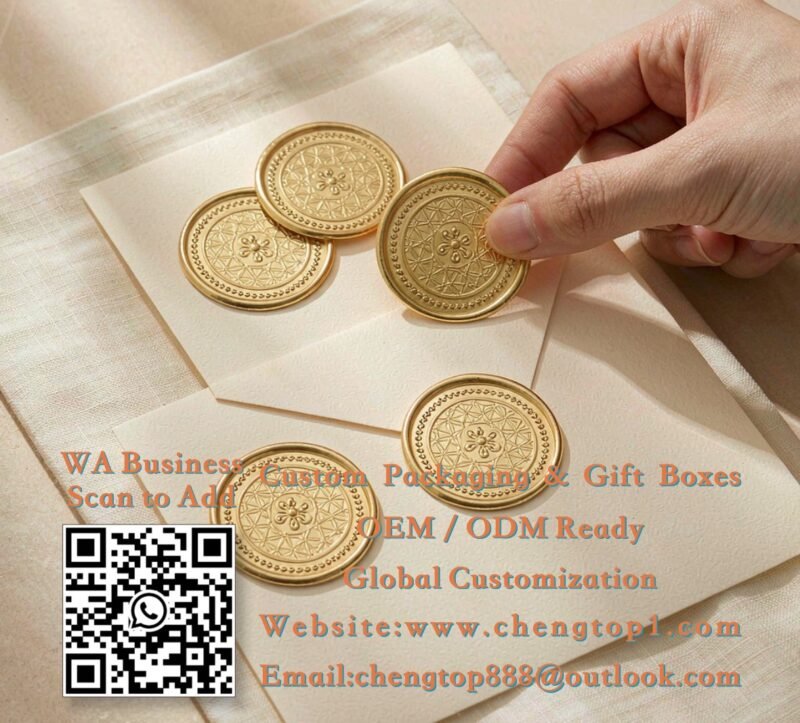
- Seal sticker: 40–60 mm round or die-cut shape on the box flap or bag fold — the piece that makes the whole box read as seasonal.
- Product sticker or band: a small motif on the product lid or sleeve, sized to sit beside the year-round label without covering it.
- Insert sticker sheet: 3–6 small motifs on one sheet, slipped into the box or bag — the piece customers photograph and keep.
The seasonal set pairs naturally with the card that travels in the same box: a thank you card with a matching colour edge and a sticker-sheet insert turns two cheap components into one deliberate campaign moment. When the campaign includes a discount or a giveaway code, put it on the card, not the sticker — the sticker’s job is the look, and it should not need to carry fine print at small size.
Plan the Quantities Like a Perishable Product
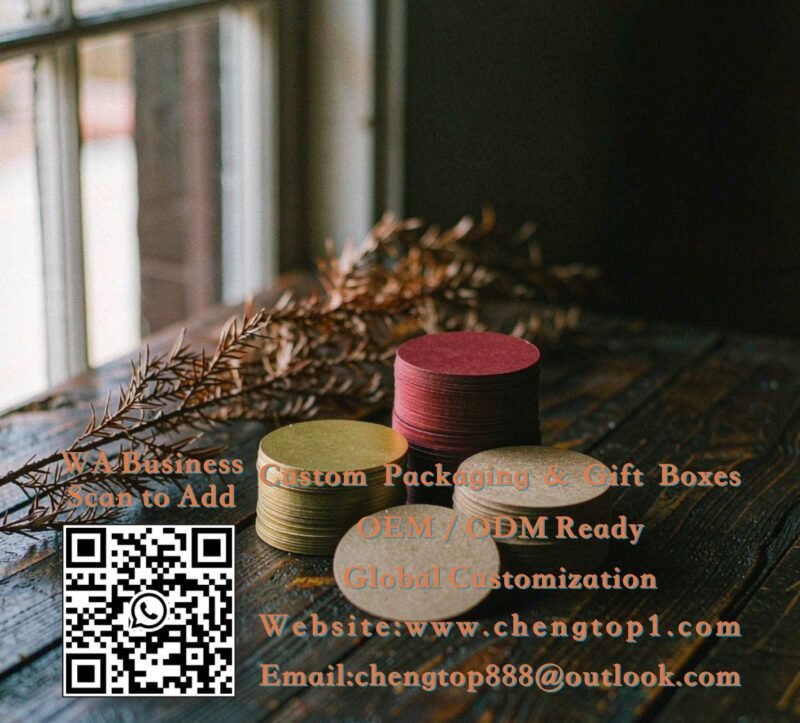
Seasonal stickers are perishable in a way ordinary labels are not, so quantity planning changes. Order to the campaign forecast, not the packaging run: if the season is expected to move 6,000 boxes, that is roughly 6,000 seals plus 3–5 percent for re-packs and staff errors, and insert sheets to the same count. Ordering the sticker layer to the box quantity leaves thousands of dated stickers in the drawer in January — the exact disposal problem the sticker strategy was meant to avoid.
Keep one deliberate escape hatch: a neutral or non-dated version of the same sticker design, printed in the same run at 15–20 percent of the seasonal quantity. When the seasonal stock runs out mid-campaign, the bridge version keeps the look alive without the dated motif, and any leftover bridge stock survives into February. Design the two versions at the same time — a motif redrawn later never quite matches the original run.
Timing: The Calendar Decides the Campaign
A seasonal sticker set is a short, fast production — typically 7–12 days from approved artwork to delivery, far quicker than any box change. The risk is not production speed; it is the approval chain in front of it. Campaign artwork goes through more review rounds than packaging ever does, and every review week in October is a week the stickers are not on boxes. Work backwards from the week the campaign must go live: artwork final at least three weeks ahead, production and freight in the middle two, and one week of buffer for the proof round — because a colour that reads as festive red on screen can land as brick on kraft, and that is a problem to catch on a proof, not on 6,000 finished stickers.
Spec the paper and finish with the base in mind: uncoated kraft-backed stickers on kraft boxes, art-paper stickers with a soft matte laminate on premium coated boxes, and the deep reds and metallic golds that define the season printed with a proof approved against the actual box stock, not a white sheet. When the whole set — box, sticker, card, and the paper bags they travel in — is specified with one supplier, the proof round covers everything at once.
Ready to Plan Your Seasonal Layer?
Send us your box photo and campaign colours — we will propose the sticker set, size it to your forecast, and send a proof on your actual box stock before anything runs.