What materials can be hot-stamped? Most paper types work well, especially specialty papers, gold/silver cardstock, and leather-textured paper; however, rough or deeply textured papers can cause the foil to blur or flake, compromising the result. Consider paper choice and the finishing process together—don’t wait until mass production to discover compatibility issues.
Will the foil peel off? Not if the process is executed correctly. Adhesion depends on temperature, pressure, and the choice of foil; reputable manufacturers conduct rub tests. If in doubt, request a rub-resistance test—don’t gamble with the final production run.
How much does hot stamping cost? Pricing is based on the stamped area, the number of foil colors, and the complexity of the design. Stamping small logos or brand names offers good value and is a common choice; large-area stamping consumes more labor and material, significantly raising costs. Multi-color stamping requires separate plates for each color, pushing the price even higher.
What is the difference between hot stamping and gold ink printing? Hot stamping is a physical transfer process; the foil has a genuine metallic sheen, crisp edges, and a slightly raised texture. Gold ink printing, on the other hand, uses ink; it is flat and has a subtler luster. Hot stamping is brighter and more tactile but more expensive; choose hot stamping for a premium look, or gold ink printing to control costs.
Can fine lines and small text be hot-stamped? Extremely fine strokes can blur, so ensure lines are thick enough; always confirm the feasibility of fine-text designs with the manufacturer beforehand. Hot stamping is ideal for clean, bold elements; complex, intricate patterns are often better suited for standard printing.
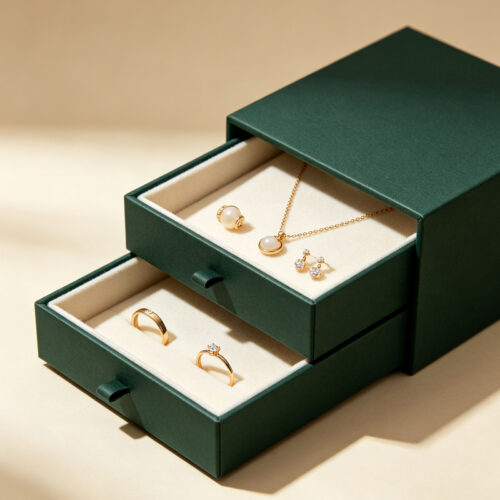
What is hot stamping? It involves using a heated die to transfer metallic foil onto the paper surface, creating gold, silver, or holographic effects; it is a popular technique for elevating the perceived quality of gift boxes. Hot stamping has become a standard feature in packaging for cosmetics, spirits, jewelry, and corporate gifts.
Can hot stamping and embossing be combined? Yes, and it is a classic combination: either stamp first and then emboss, or perform both simultaneously to create a “3D + glossy” effect. Applying both to a logo instantly creates a premium look. Always request a prototype to verify the combined effect.