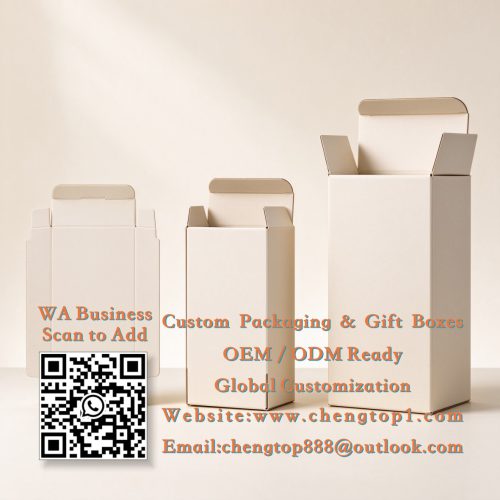
How to choose? Light-duty lock-bottom boxes (for power), fragile/heavy-duty glued-bottom boxes (for security), and reusable snap-bottom boxes (for display) — choose according to the intended use; the strength of the box bottom seal must be commensurate with the load it is designed to bear.
What is a snap-lock base used for? Snap-lock base (self-locking box): snaps shut with a single press (no glue required), quick to assemble, suitable for assembly line packaging; the interlocking mechanism (locks) must be secure — if loose, it will spring open.
What is a tongue-and-groove base used for? Tongue-and-groove base (tongue-and-groove closure): folded flaps slot together (no glue required), easy to disassemble (reusable); the load-bearing capacity of a tongue-and-groove base is generally moderate (heavy items may push it open).
How should this be verified? Load heavy objects (load-bearing test) and open and close repeatedly (lock-bottom fatigue test); the adhesive strength (tensile strength) of the glued bottom must be tested. For small-batch verification of box bottoms, produce sample boxes before placing an order.
What is the purpose of a glued base? Glued base (adhesive-sealed base): fully sealed (adhesive), high load-bearing capacity; used for heavy items and bottled products; the strength of the glued base (adhesive surface) is determined by the weight.
The box’s ‘chassis’ is the most easily overlooked part: the base structure determines load-bearing capacity, assembly efficiency and the unboxing experience — if the base is sealed incorrectly, the box will fall apart under the weight of heavy items. This article clearly explains the distinct roles of the three types of box base structures.
The base of a packaging box is the structural element that determines whether the ‘chassis’ is stable: lock-bottom bases prioritise speed, glued bases prioritise stability, and插底 bases prioritise convenience — only by choosing the right base can the box stand firmly.