Cans represent tradition. Tinplate cans excel in shelf stability and foodservice applications, offering high volume and long shelf life; the can-opening experience and packaging graphics are key details. Their market position is defined by “old-school reliability.”
Simmering a pot of stock takes hours, whereas a packaged bottle of bone broth opens in seconds—the “industrialization” of soup relies on packaging to lock in the flavor developed through slow cooking. This article outlines trends in the soup and bone broth packaging market, serving as a reference for food brands.
The competitive logic of soup packaging: cartons dominate the ambient convenience segment, flexible pouches capture the “heat-and-eat” market, and cans hold the foodservice and stockpiling sectors. By getting sterilization and sealing right, a bowl of soup transforms from an occasional treat into an anytime staple.
Flexible pouches are on the rise. They account for approximately 48% of the soup packaging market in Asia-Pacific, offering benefits like light weight, resealability, and microwave compatibility; they represent the “heat-and-drink” convenience category. Opportunities for pouches lie in the “single-serving” and “quick-prep soup” segments.
The global packaged bone broth market is valued at approximately $21.56 billion in 2025 and is projected to reach $38.3 billion by 2034, with a compound annual growth rate (CAGR) of about 6.6%; the ambient ready-to-eat soup market is valued at around $12.8 billion in 2025 and is expected to hit $17.7 billion by 2035. The market follows the demographic of consumers who lack the time to simmer their own soup.
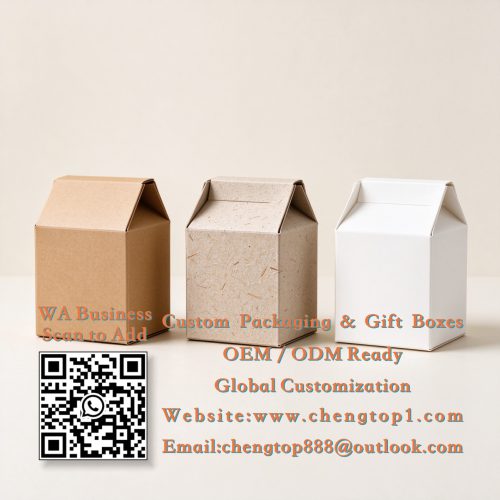
Cartons are the mainstay of the ambient segment. Liquid cartons (such as Tetra Pak) hold a 12–19% share of soup packaging and are growing, thanks to aseptic filling, ambient shelf stability, and recyclability; they are the mainstream choice for “open-and-drink” convenience. The choice of cartons aligns with ambient retail channels.