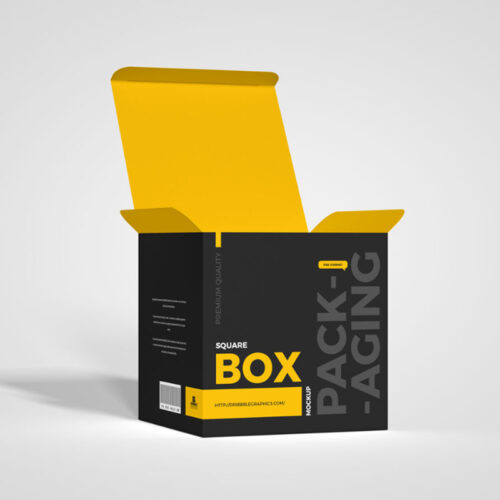
“What are some low-cost techniques?” Details like a neatly fitted interior, a smooth-opening lid, a perfectly tied ribbon, or a handwritten note on a card don’t cost a fortune, yet they define the sense of occasion; the perception of “premium quality” often stems from these subtle, thoughtful touches.
“Can the unboxing experience be tested?” Yes. Have colleagues or friends perform a blind test, record the unboxing to review later, and observe their pauses and facial expressions; moments of hesitation, disappointment, or delight all point to areas for improvement.
With the rise of unboxing videos, packaging has taken on a new role: content material. The way a box opens has become something consumers are willing to share. This article addresses common questions about the unboxing experience, helping you turn packaging into a brand asset.
“How do you create a ‘wow’ factor?” Hidden compartments, small gifts, handwritten cards, or QR codes linking to the brand story are all common tactics; surprises create memorable moments that encourage photo-sharing, but keep costs in check—a single highlight is enough.
“How should the unboxing experience align with the product?” The color of the lining, the tissue paper, and the card copy should match the brand’s tone; place the product centrally so the user’s gaze lands on the key feature immediately upon opening. The unboxing experience must harmonize with the product’s character to avoid feeling jarring.
“How do you design the layers of the unboxing experience?” Create a progressive reveal from outside to inside: the outer shipping carton, the inner gift box, the lining, the ribbon, and the greeting card. Each layer holds content, creating a rhythmic flow to the opening process; revealing everything at once can actually diminish the sense of surprise.
“Why is the unboxing experience important?” Consumers check reviews and unboxing videos before placing an order, and the experience itself directly influences sharing rates and repeat purchases. For the consumer, the packaging represents their first actual “interaction” with the brand; the tactile feel, the sequence of opening, and the fine details all convey the level of care the brand has invested.