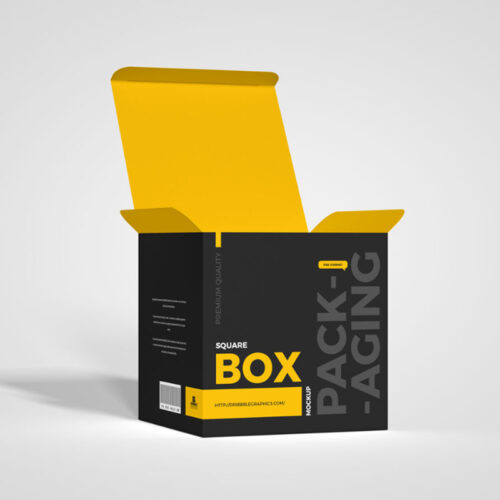
Structural design offers the most effective leverage for cost reduction. Simplify the structure: switch from irregular to standard shapes, replace multi-piece assemblies with single-piece designs, and swap complex liners for standard components—fewer steps mean lower costs. One-piece folding box designs save on both adhesive and labor. “Subtracting” from the structure is the primary lever for cost optimization.
There is only one rule for balancing: do not skimp on what is visible, but be calculating about what is hidden. Maintain quality where the customer can feel it—such as the tactile experience of opening the box and the brand’s premium feel—while streamlining invisible elements like internal structures and excessive processing steps. Reallocate the savings to where they matter most.
The answer to cost reduction lies in structure, not in haggling over prices. Saving a little at every stage lowers the total cost while preserving quality.
Reducing packaging costs isn’t about cutting quality; it’s about eliminating waste—such as superfluous structural steps, excessive material thickness, or redundant processing stages. Money should be spent where it is visible. This article outlines key levers for cost optimization—practical tools for clients looking to control their budgets.
Volume leverage relies on planning. Larger batches mean lower unit prices: fixed costs (such as plate making, die-cutting molds, and machine setup) are amortized across more units. Combining orders for frequently produced models or consolidating orders that share the same paper and finishing processes can drive costs down further. However, more isn’t always better; plan your volume based on sales projections to hit the optimal tier.
Dimensional leverage lies in material layout. Box dimensions affect paper utilization: efficient layout planning minimizes scrap, saving on paper costs. A minor adjustment of just a few millimeters can sometimes yield extra boxes from a single sheet. Material utilization efficiency is a hidden cost factor not explicitly shown on the quote.
Material leverage requires careful calculation. Options include reducing paper weight (GSM), switching materials, or consolidating material types—such as swapping white cardstock for coated cardstock, reducing greyboard thickness, or replacing specialty paper with standard stock. All these measures cut costs, provided the quality baseline remains intact; select load-bearing capacity, rigidity, and tactile feel based on actual needs—”sufficient” is the rational choice.
Process leverage involves subtraction. More finishing processes mean higher costs: every addition—hot stamping, embossing, or spot UV—adds expense. Focus finishing touches on key areas—such as stamping only the logo or applying spot UV selectively—to maintain visual impact while cutting costs in half. A subtractive approach to the manufacturing process is a cost-effective way to optimize.