How should the insert be compartmentalized? Pens, rulers, notebooks, and erasers each need their own spot. The insert should be precision-cut to match the product shapes—long slots for pens and rectangular ones for notebooks—ensuring items are easy to access while fitting snugly. A well-designed insert creates an organized, premium feel the moment the box is opened.
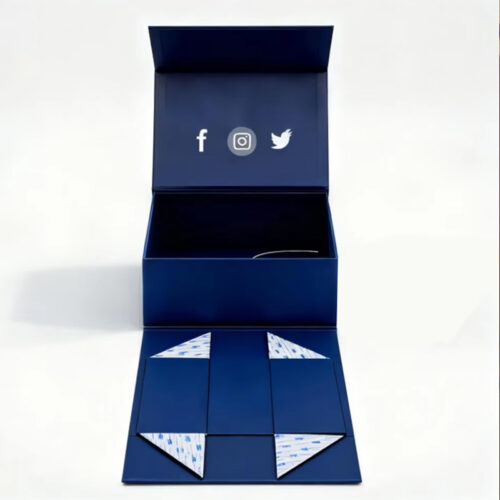
Which box style should you choose? Lid-and-base, drawer-style, and magnetic-closure boxes are the most popular choices, while windowed boxes are ideal for showcasing products. The specific style—whether for pens, notebooks, or a full set—depends on the product itself; the box design follows the contents.
Customizing stationery gift boxes requires catering to two audiences: the giver, who values quality and prestige, and the recipient, who values practicality. When combining pens, notebooks, and rulers in one box, details regarding insert compartments, display windows, and set arrangements matter. This guide clarifies the customization process, offering actionable insights for stationery brands.
Should you include a display window? Yes. Visibility drives sales: windows reveal pen barrel colors or notebook covers, adding appeal for both retail shelves and e-commerce. Position the window to showcase the product’s most distinctive features. Ensure the window film is scratch-resistant and verify this during the prototyping stage.
How should gift sets be designed? Whether for back-to-school, corporate gifting, or holidays, these boxes hold multiple items. Tiered structures maximize capacity, while magnetic boxes with inserts convey a premium feel. Layouts should be organized based on the number and size of items, ensuring each piece has a dedicated spot.
What about minimum order quantities (MOQs) and prototyping? MOQs are lower for standard box shapes but higher for custom shapes or complex inserts. Use actual stationery for prototyping to test the fit—ensuring pens aren’t too loose or tight, notebooks sit flush, and window placement is precise. Given the variety of stationery specifications, sample verification is crucial.
How do you choose materials and finishes? White cardstock and kraft paper are common choices: kraft paper offers a natural look suited for creative stationery, while white cardstock is vibrant and ideal for color printing. Use hot stamping and embossing to highlight logos or add decorative accents. Opt for lively color schemes for student stationery and a minimalist style for business stationery.