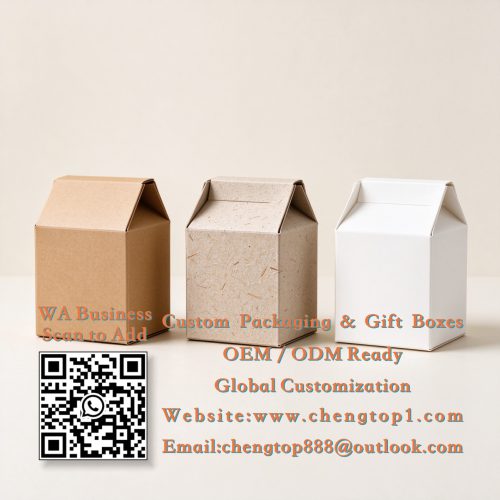
When designing a box, don’t start with aesthetics; start with what goes inside. The product’s shape, weight, and fragility dictate the box’s requirements. This article outlines the logical sequence of structural packaging design, serving as a reference for clients developing new products.
The second step is selecting the box style. Options include lid-and-base boxes (classic and premium), drawer boxes (offering a ceremonial opening experience), magnetic closure boxes (tactile appeal), book-style boxes (literary feel), and collapsible cartons (cost-effective); choose based on product positioning and budget. There is no single “correct” box style—only the one that fits best.
The first step is product analysis. Measure dimensions (maximum outline and packaged size), weigh the item, and assess its fragility. Whether the product has a regular or irregular shape directly determines the box style and the insert design. Inadequate analysis leads to rework later on.
The fourth step is material selection. Choose from paperboard, greyboard, or corrugated board based on load-bearing needs and desired texture; determine paper weight and surface finishes according to the box style and budget. Materials dictate cost, as well as tactile feel and structural rigidity.
The fifth step involves combining finishing techniques. Apply processes like hot stamping, embossing, lamination, or window cutouts strategically to highlight key features. More isn’t necessarily better; techniques should be applied where they add the most value. Restraint in combining techniques is harder to achieve than simply piling them on.
The third step is designing the insert. The insert handles positioning and protection: cut slots to match the product’s shape, ensuring a fit that is neither loose (causing rattling) nor too tight (causing compression). Add cushioning for fragile items and extra protection for precision products. The insert sits at the intersection of structure and protection—it is the easiest place to cut costs, yet the last place one should do so.
Finally, validate the design. Test prototypes with the actual product: check the fit, the opening/closing action, and simulate transport conditions. A single prototype run reveals the quality of the structural design. The ultimate benchmark for packaging structure is the moment the product is placed inside.