Custom Paper Bags for Holiday Gift Sets: Pairing Bags, Boxes, Tissue and Cards
You ordered bags for the holiday rush, but the gift boxes arrived half an inch too tall for them — and now every set goes out looking hand-stuffed. The fix is not better bags. It is ordering the whole set as one project, with one size sheet, so the bag, the box and everything inside it land as a single bundle.
Request a Quote
Enter the quantity you need and add to your quote list for pricing inquiries.
Description
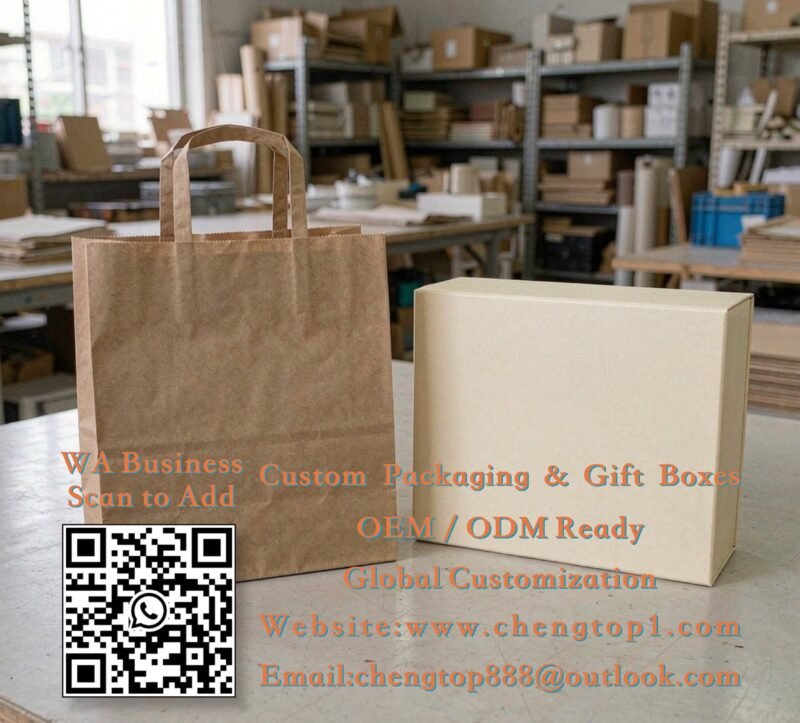
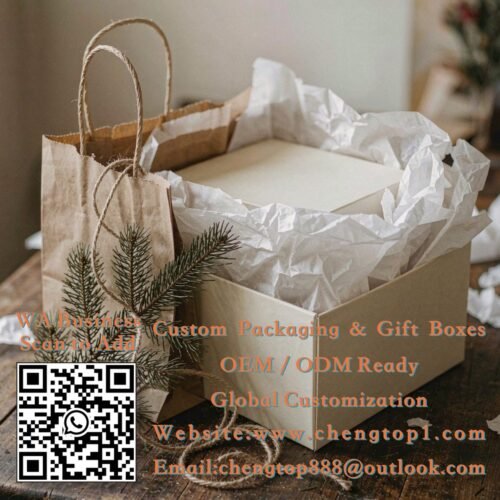
The strongest holiday packaging a brand ships is never a single item. It is a set: a rigid or foldable gift box, a layer of tissue, sometimes a seal sticker, a card tucked on top, and a paper bag carrying all of it out the door. Buyers judge the whole stack in the three seconds it takes to hand it over. When each piece is ordered separately from a different supplier, the colours drift, the sizes fight each other, and the miss shows up in exactly the season when packaging does the most selling. Custom paper bags anchor that set, so it pays to plan them together with the box from the first spec sheet.
Size the Bag Around the Box, Not the Other Way Round
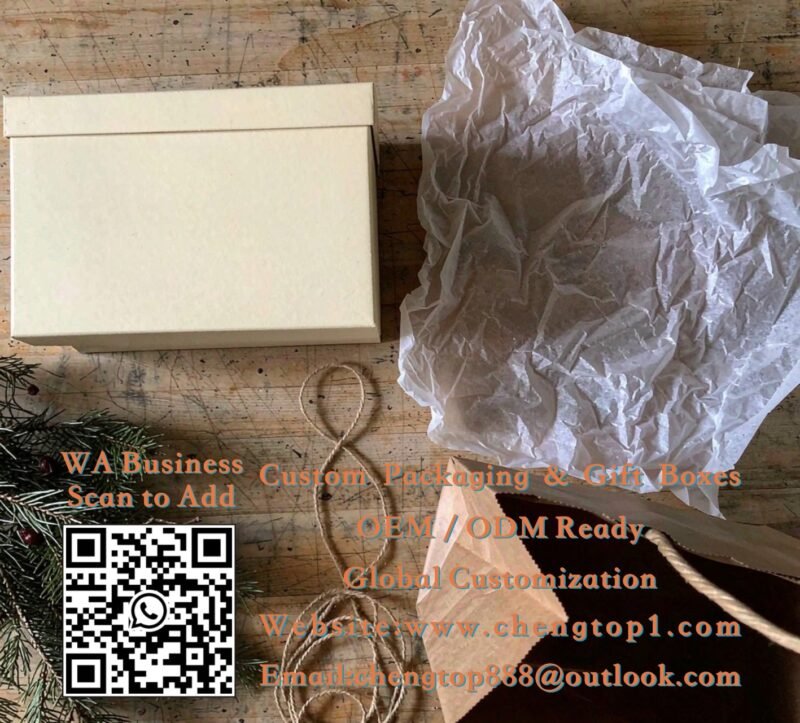
Start from the box, because the box is fixed by the product inside it. The bag then needs working room: as a working rule, allow 30–50 mm of height above the box for tissue folding and a card, and 15–20 mm of width and depth clearance so the box drops in without scuffing the bag walls but does not rattle around. A box that has to be squeezed in will tear the bag top during a busy December shift, and a box that swims in the bag looks under-planned at the counter.
Two details decide whether that clearance still looks deliberate:
- Bag height: aim for the tissue crown and the box top edge to sit 20–40 mm below the bag rim, so the fold or ribbon closing is easy for staff.
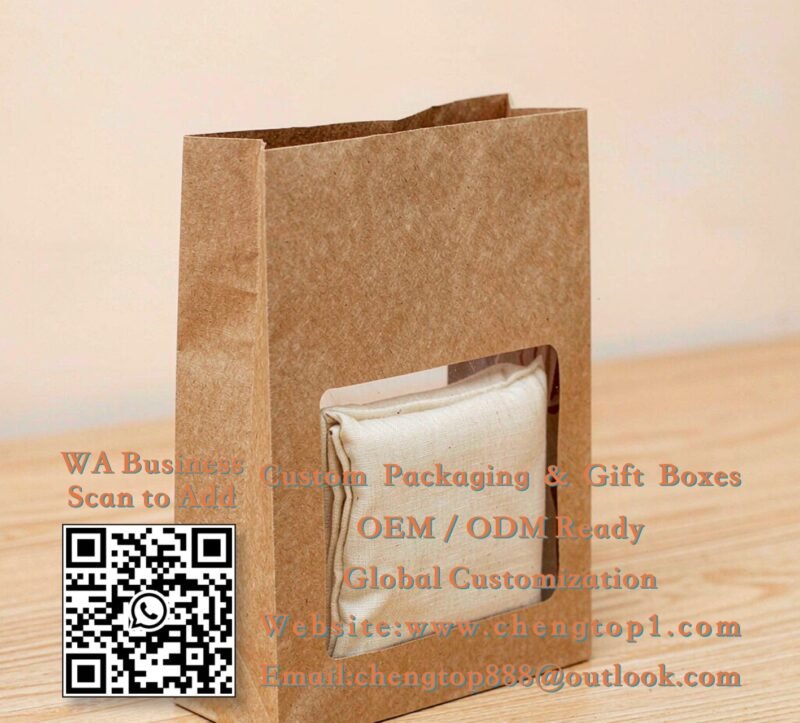
- Base style: a folded (satchel) base suits flat rigid boxes; a gusseted base suits taller boxes and bottles, and it changes the flat width you must specify by 40–60 mm.
Paper weight follows the box weight, not the season. A 300–600 g rigid box with product inside is comfortably carried by a 157–210 gsm two-sheet kraft or art paper bag with twisted or flat handles; go to 250 gsm and rope handles when the set crosses roughly 2 kg. Specify gsm and handle type in the same document as the box spec so both factories work from one set of numbers.
Keep Colours and Materials From Drifting Apart

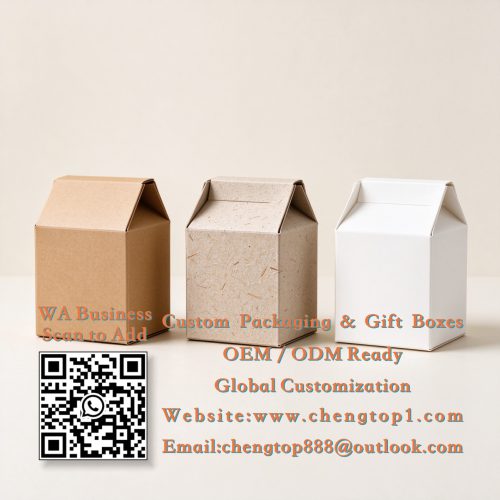
Colour drift is the quiet killer of gift sets. Kraft bags and kraft boxes ordered months apart from two mills can sit two shades apart, and cream against off-white reads as a mistake once they touch. Practical guards: order bag and box from the same supplier where possible, ask for physical colour swatches of both papers before printing, and when brands want a bag colour the box cannot match, make the contrast intentional — a deep coloured bag with a natural kraft box reads as design, while near-misses read as error.
The tissue belongs in the same conversation. Plain white or natural tissue flatters almost every combination and never fights a printed logo; patterned tissue works only when the bag print is quiet. A 17–21 gsm tissue wraps without cracking; anything lighter shreds during the tenth box of the shift. If the brand wants a wax seal or a printed sticker closing the tissue, add it to the same purchase order — custom seal stickers ordered with the bag share its colour reference and ship together, which matters when the season leaves no time for a second freight run.
Card, Trim and the Last Ten Percent of the Look
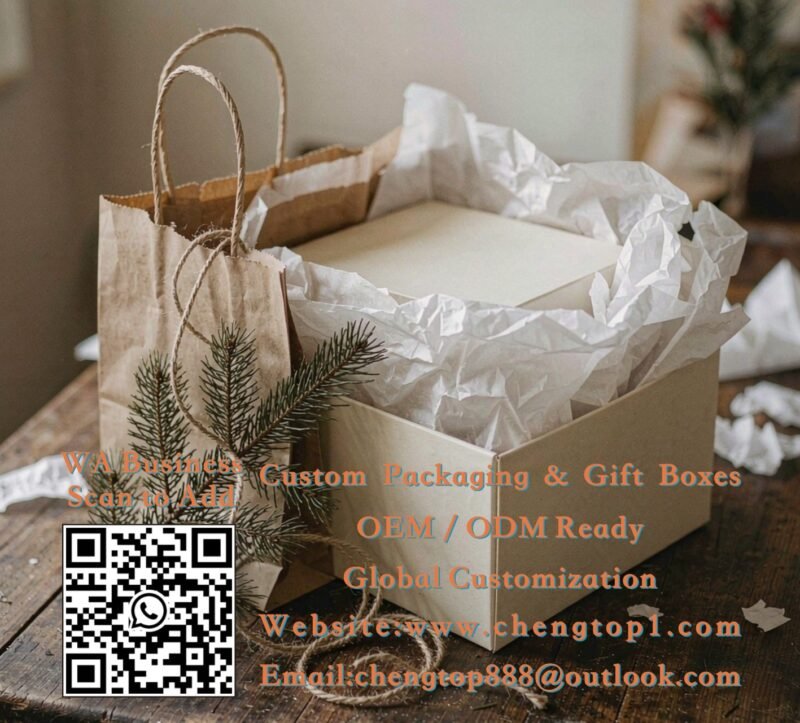
The card is the cheapest layer with the highest return. A short thank you card laid on the tissue before the bag is folded converts a purchase into something the customer photographs. Size it to the box top or the bag width — an A6 card on a small box, a square card on a wide lid — and keep it inside the bag rather than taped to the outside, where it survives rain and handing-over alike. Count cards to the set, not to the order: one card per bag plus 3–5 percent for re-packs and damages.
Trim should follow one rule: at most one extra gesture per set. Pine sprigs, dried flowers, a ribbon, a sticker seal — choose one per set per price tier. Two or more read as clutter at scale, and none of them survive a courier, so if the set ships by post rather than handing over a counter, spend the money on a mailer-grade box instead of the trim.
Order the Set as One Project, on One Timeline
Holiday packaging fails on timing more often than on design. Structured gift sets with printing, die-cuts and multiple matched components realistically need 20–30 days of production plus shipping, so the spec freeze should happen by late September and the purchase order by early October at the latest. Anything ordered after mid-November is buying expedited freight, and during peak season that premium can exceed the cost of the packaging itself.
Order quantities in set multiples, not per item. If the plan is 5,000 sets, that is 5,000 bags, 5,000 boxes, 5,100 tissue sheets, 5,000–5,150 stickers and 5,150 cards — with the small surcharges placed on the cheap components, because a set missing a 3-cent card waits just as long as one missing a bag. Keep a 10–15 percent buffer on the bag count specifically: bags take the handling damage, get reused by walk-in customers, and are the one component whose shortage stops the whole set.
Ready to Build Your Holiday Set?
Send us your product size and the look you want — we will spec the bag, box, tissue and card as one matched set, with a size sheet, free artwork check and a quote within 24 hours.