Kraft Paper Bags: Coated and Uncoated Board Compared
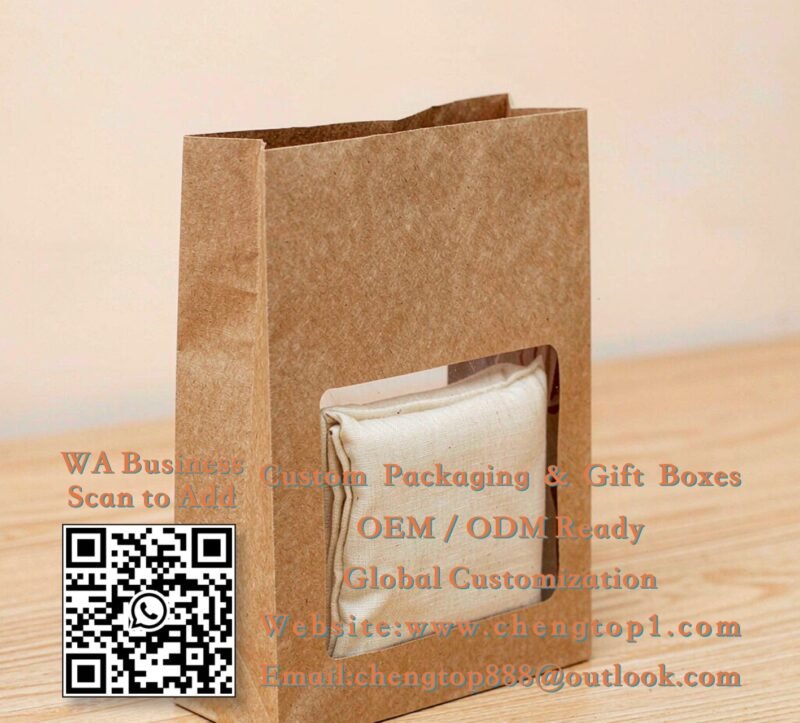
Coated and uncoated kraft behave differently at the fold, under a load and at disposal. A coated sheet holds sharp print and resists a damp hand, but a tight crease can break the coating and leave a white line at the turn-over. Uncoated kraft folds cleanly and stays in the paper stream, though it absorbs ink and marks in transit. Set the stock against product weight and print coverage.
Request a Quote
Enter the quantity you need and add to your quote list for pricing inquiries.
Description
Coated and uncoated kraft board can look almost identical in a flat swatch, then behave like two different materials once the bag is folded, loaded and carried. The coating changes how the crease holds, how ink sits on the surface and how the bag is sorted at the end of its life. The choice belongs with the product weight, the print coverage and the disposal requirements of the destination market, not with a price list alone. A folded dummy of the exact stock settles more questions than a page of specifications.
Fold Behaviour at the Top Turn-Over
A coated sheet carries a film on its surface, and that film has its own limit when the board is creased tightly. On a narrow top turn-over the coating can break along the fold and leave a pale line that reads as a fault on a retail counter. Give the fold a slightly wider score allowance and check the crease on the finished bag, not on a flat sample. Uncoated kraft folds without that film, so it holds a clean crease at a tighter radius and suits a bag with a short turn-over or a narrow gusset.
Board weight plays into this as well. A heavier sheet keeps a square silhouette but needs more room at the fold, and a heavier coated sheet needs more again. Where the bag has to stand open on a counter, that stiffness helps; where it is folded flat into a carton for shipping, it works against you. Ask for the blank to be folded and unfolded a few times before approving the stock.
Print and Finish on Each Surface
Coated board holds fine type, a sharp photographic image and heavy solid coverage, which is why it suits a campaign bag with a full-colour panel. Uncoated kraft absorbs ink, so a solid area reads softer and a thin reversed rule can fill in. That softer result is often exactly what a brand wants beside an uncoated carton, and it takes a blind deboss or a simple one-colour mark well. Keep the artwork style matched to the stock rather than trying to make one print both ways.
Finishes change the decision a second time. Lamination adds scuff resistance and a damp-hand tolerance, but it also changes how the bag is disposed of and can crack at the fold. An aqueous varnish is less demanding and keeps the surface closer to paper. Where a seasonal message is involved, keeping that text on a label or a small overprint area lets the base bag carry through a change of campaign.
Load, Moisture and Handling
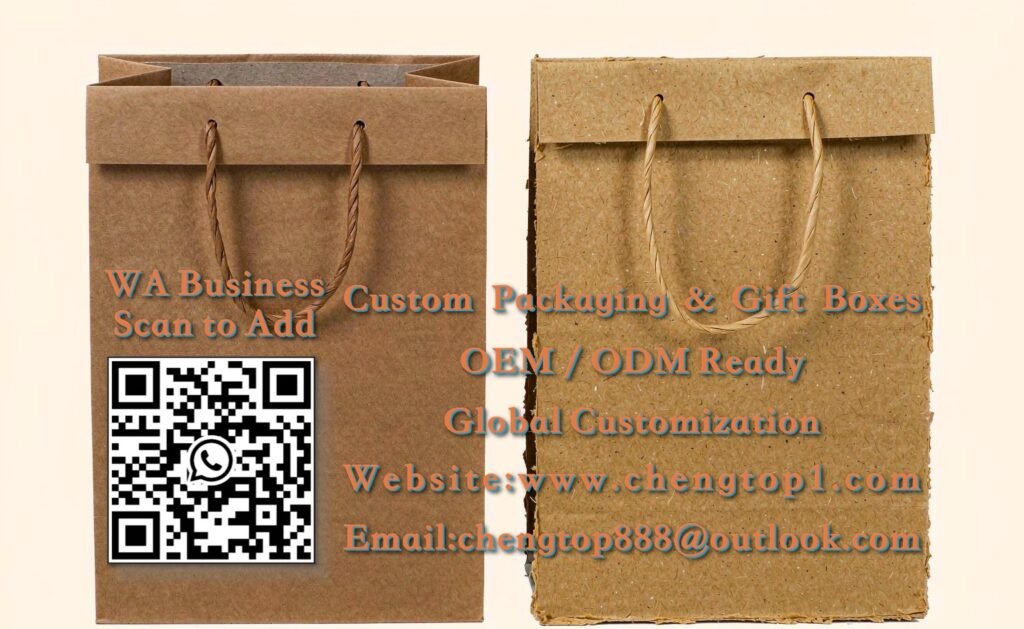
Load path runs from the handle patches through the top panel into the gusset. Coated board resists a damp hand and a short walk in light rain, while uncoated board softens sooner. That difference matters less for a garment bag than for a bag carrying a rigid box with sharp corners. Test with the real product, including any corner that presses into the base, and look at the gusset fold after the bag has been set down a few times.
Disposal and Market Requirements
Where the whole pack is meant to stay in the paper stream, an uncoated bag with a paper handle and no laminate keeps the story consistent. A coated or laminated bag may need a different claim in some markets, so check the wording before the print run rather than after. The paper bags range covers both constructions, and the wider product range shows how bags sit alongside cartons and inserts in one programme.
Checks on a Folded Sample
- Fold and unfold the exact stock several times and look along the top turn-over for a broken coating.
- Load the bag with the real product and carry it a short distance before judging the handle area.
- Hold the printed panel under retail lighting with the fold in view.
- Set the loaded bag down and inspect the gusset crease after a few hours.
- Confirm the disposal wording matches the chosen coating and handle material.
Send the product weight, the print coverage and the destination market when you ask for a quote. With the stock, the fold allowance and the artwork settled together, the bag holds its shape on the counter and stays consistent with the rest of the packaging.