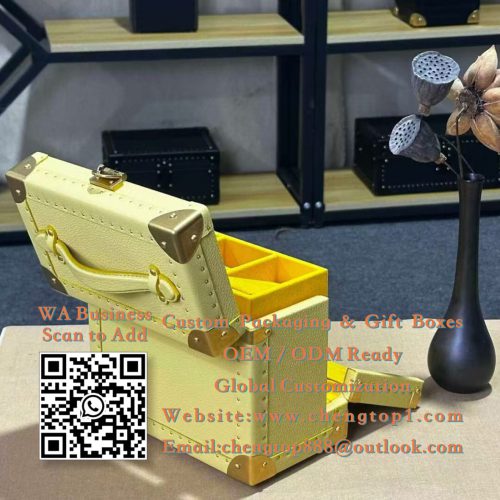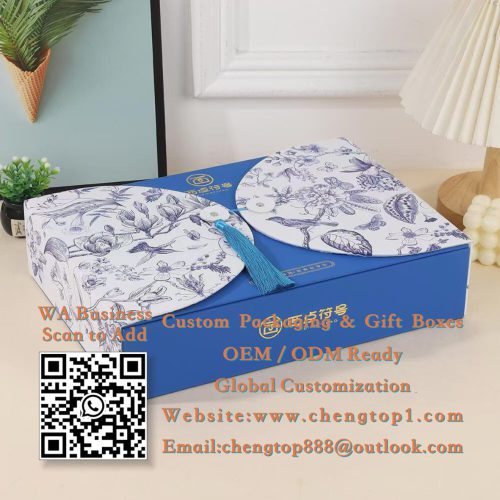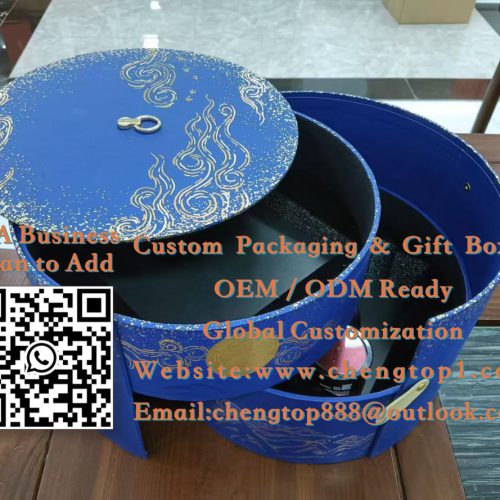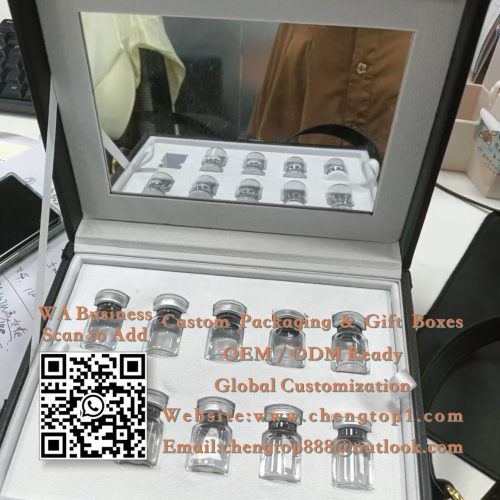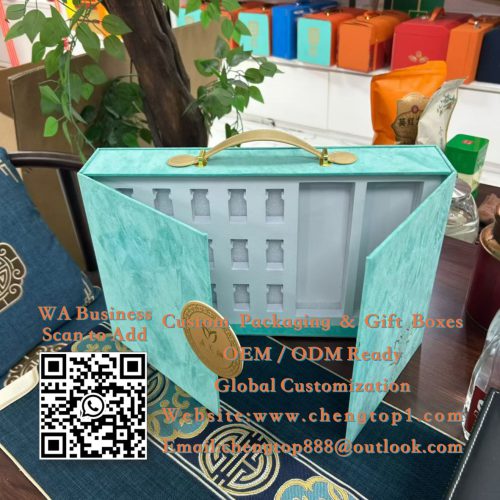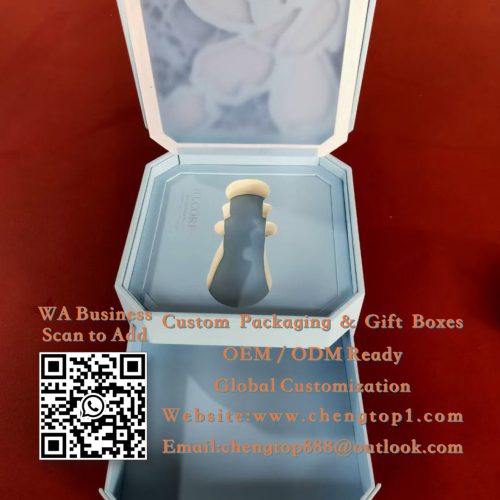
A gift set needs a rigid box, a foam insert, a bottle, a leaflet and a ribbon. The box comes from one supplier, the insert from another, the product from a third, and somebody has to put them together. That somebody is the co-packer, and the decision about where the assembly happens changes the packaging specification, the freight volume and the unit cost more than many buyers expect when they first price a set.
What the terms cover. Co-packing is assembly and packing of finished goods into their retail packaging, usually at a facility near the market. Kitting is assembling several components into one saleable unit: a starter kit, a sample set, a subscription box. Both are labour businesses with a packaging component, and both sit between the factory that printed the box and the retailer that sells it.
Why assemble near the market rather than at the factory. Product freshness, tax treatment, and the ability to change the mix late. A cosmetics set assembled in the destination country can use product made locally or held in a local warehouse, avoiding a second ocean leg for liquids. Regulatory labels, lot codes and market-specific leaflets can be applied at the co-packer without reprinting the box for every country.
Why assemble at the factory instead. Labour cost, and the fact that the packaging is already there. Assembly in China is inexpensive relative to Europe or North America, and a factory that prints the box can also fold inserts and pack the set before it ships, which reduces the volume of components the buyer handles. The trade-off is inflexibility: the set is fixed before the container leaves, and changes cost a re-run.
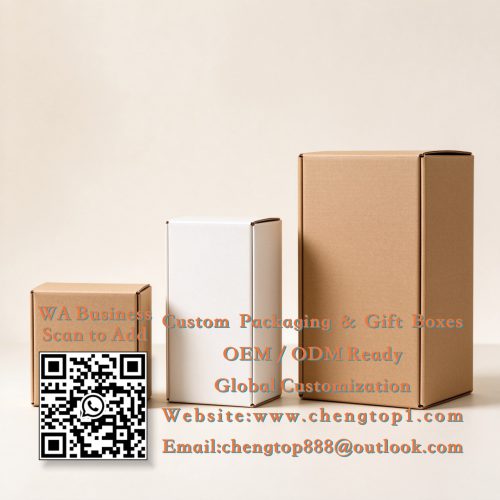
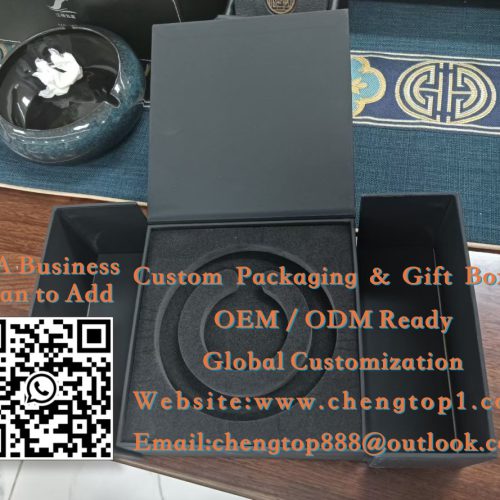
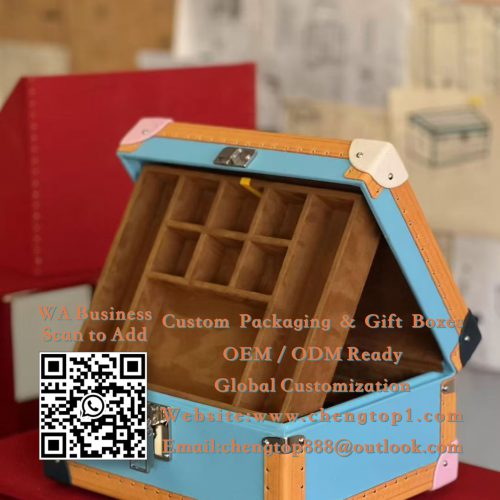
How the decision changes the packaging design. A set assembled at the factory can use a structure that is glued and packed in one flow, with the insert designed around the components as they ship. A set assembled at the destination usually needs a structure that can be shipped flat and assembled on a bench, which changes board weight, locking method and how the components are protected in transit. The insert that holds a bottle securely in a finished box may not survive a journey as a loose component.
What the labour actually costs. Hand assembly is charged per unit and rises with the number of steps: folding, inserting, applying a label, tying a ribbon, bagging. A design that needs four hand operations instead of two can double the assembly cost, which is often several times the difference between two board grades. Designers who count the operations before choosing the structure save money that no material substitution can recover.
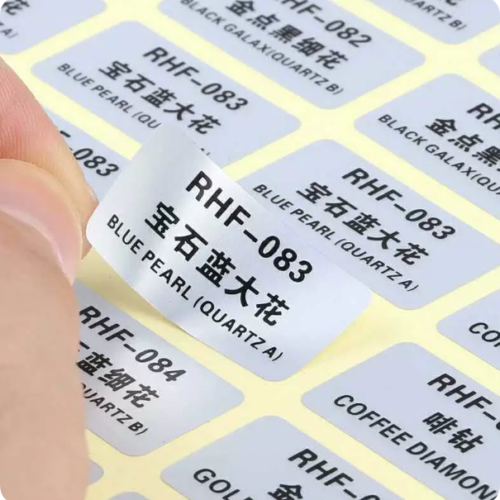
What to specify to a co-packer. Component dimensions and tolerances, the order of assembly, the finished pack dimensions, the label positions per market, and the carton configuration for shipping the assembled sets. Photos of a hand-built sample are worth more than a written sequence, because they settle which panel folds first and where the ribbon sits.
What goes wrong. Components arriving out of tolerance, so the insert grips nothing; printed boxes scuffed during bench assembly; labels applied over a varnish that will not hold adhesive; and quantities that do not reconcile because nothing was counted at handover. Each is a specification gap rather than a workmanship failure, and each is cheap to close before the run and expensive after.
How to compare the two routes properly. Price the packaging delivered to the co-packer, the assembly labour, the freight of assembled versus flat goods, and the cost of holding components. The route that looks cheaper on labour often loses on freight, because assembled sets cube out a container long before they weigh it down.
Chengtop produces علب هدايا صلبة and العلب الكرتونية القابلة للطي in Wuhan with inserts and cards cut to the components, and can pack sets at the factory or ship components flat for assembly at your end. Send the component list and the market, and we will price both routes.