The logic behind packaging for scarves and hats: bagged items for a premium feel, hang tags to catch the eye on the shelves, and gift boxes to create a scene — packaging turns ‘soft goods’ into tangible value, ensuring autumn and winter displays hold shoppers’ attention.
How should bagged items be presented? Scarves (folded + clear bag / kraft paper bag): dust and dirt protection, whilst showcasing the product; high-end materials such as cashmere should use paper bags (to convey eco-friendliness). The choice of packaging should align with the price point.
Scarves and hats are the ‘soft business’ of autumn and winter: as the texture of the fabric cannot be felt and the design cannot be fully appreciated, the packaging must speak for the fabric — by effectively addressing both display and storage needs, it reduces hesitation at the shelf by half. This article clearly explains the trends in the scarf and hat packaging market; clients running fashion and accessories brands should refer to it as required.
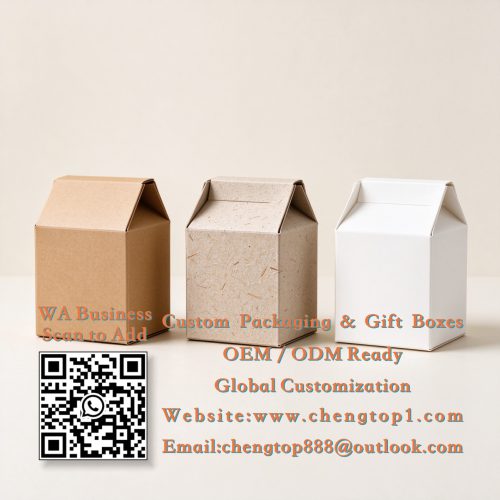
What should gift boxes include? Gift boxes for scarves and hats (for festivals and weddings): colour boxes + window cut-outs (to reveal the contents) + ribbons and greeting cards; ‘scarf + hat’ combo sets drive up the average order value. The opportunity for gift boxes lies in the ‘all-in-one winter set’ concept.
How big is the market? The global scarf and shawl market is projected to reach approximately US$24.3–28.0 billion by 2026 (figures vary slightly between organisations), with a compound annual growth rate of around 4–9 per cent. The scarf market is driven by trends in ‘sustainable fabrics’ and ‘multi-functional styling’.
How should hang tags be attached? For hats (baseball caps, knitted beanies), use hang tags (with hanging holes and cardstock): these are hung on the rack to maintain the hat’s shape (with a structured lining); ensure the hats are not crushed. The key detail for hang tags is that the hat should retain its shape even when removed.