How do you evaluate the texture? The depth and density of the embossing, as well as the temperature (cold and hot embossing produce different effects), all influence the texture: hot embossing provides a more durable finish, while cold embossing is suitable for sensitive materials. To evaluate the texture, touch it with your eyes closed—if you can describe the pattern, it’s done right.
How do embossing and printing work together? Embossing and printing must be aligned: either print first then emboss (to align the design with the texture) or emboss first then print (using the texture as a background). Printing precision in the embossed areas must be controlled (as the texture can cause slight variations in ink color). When done well, the texture adds value.
How are leather-like textures created? Leather-like textures are a common feature in high-end gift boxes: embossing rollers create lychee, crosshatch, and alligator textures; the depth of the texture determines the tactile feel (shallow textures are delicate, while deep textures are rugged). The standard for the texture of leather-like finishes is that it “feels like real leather” to the touch.
What are the different embossing methods? Embossing roller (continuous patterns, suitable for large-area fabric or sand textures), flat embossing (localized patterns, suitable for logos and designs), and debossing (three-dimensional relief, creating a recessed surface). The choice of method depends on “area + three-dimensional effect.”
What should you consider when selecting a process? Embossing increases costs and production time: large-area embossing, fine textures, and debossing all incur additional charges and require extra time. Create a prototype first to confirm the texture and feel before proceeding with mass production. For finished embossed products, feel the surface and examine the texture against the light.
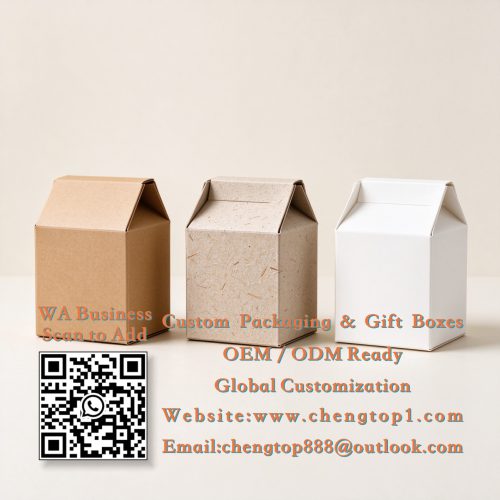
A single box may appear flat at first glance but reveals texture upon touch: embossing is the “tactile makeup” of packaging boxes. Leather grain, fabric texture, and fine sand grain—a single embossing stroke instantly elevates the product’s sophistication. This article clearly explains the embossing techniques for packaging boxes, providing direct guidance for clients producing high-end gift boxes.
How do you match textures with materials? Embossing must be done on the right type of paper: leather-textured paper (pre-textured), embossed paper (post-processing), or embossing after lamination (matte lamination + embossing creates a more three-dimensional effect). The embossing results vary significantly depending on the type of paper and laminate used. When selecting a texture, always test a paper sample first.