What factors influence the lamination process? Lamination (applying face paper to greyboard): the amount of adhesive applied and the pressure (rolling) affect the flatness; once laminated, the box must be pressed (set) to retain its shape, otherwise the edges will curl.
The rigidity of a packaging box is the result of the interplay between ‘paper, board and adhesive’: if the materials are chosen correctly, the box will naturally stand upright — specifying the grammage and greyboard density in the specification sheet before placing an order saves a great deal of effort compared to reworking.
How should grammage be determined? Paper grammage (grams per square metre): paper below 300g is used for small colour boxes, whilst paper above 400g provides a ‘sense of heft’; for the same box design, if the grammage cannot be increased, the structure must be altered (by adding stiffeners or side strips).
Where does rigidity come from? The rigidity of a paper box is determined by three layers: the face paper (printing layer), the core paper (support layer) and the lining paper (bonding layer). The face paper determines print quality, the core paper determines compression resistance, and the lining paper determines flatness — each plays its part.
How do you verify rigidity? The most direct methods are to squeeze it by hand (to test the body’s compression resistance), observe how it opens and closes (to check the lid’s springiness), and conduct a stacking test (to ensure it does not collapse under weight). For small batches, produce sample boxes for verification before placing an order.
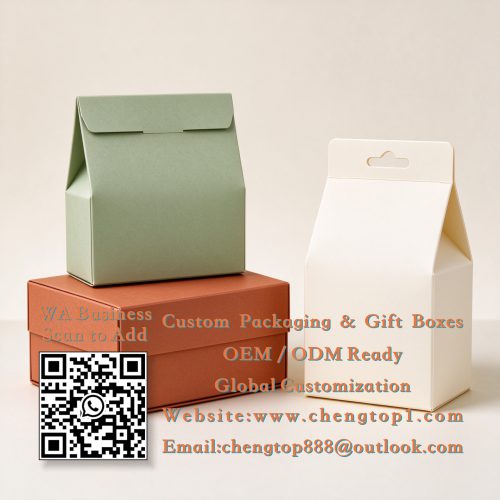
The most distressing sight on a shop shelf is a box that has ‘sagged at the waist’: a floppy lid and a body that collapses at the slightest squeeze—even the finest printing cannot salvage it. Stiffness is the backbone of a packaging box; this article clearly explains the relationship between grammage, greyboard and the facing paper.
How should greyboard be selected? Greyboard (density, thickness) forms the framework of gift boxes: standard greyboard is generally used for mid-range boxes, whilst high-density greyboard is used for high-end boxes; the flatness of the greyboard directly determines whether the box will remain bubble-free and distortion-free after the facing paper is applied.