What does UN38.3 actually cover? The test regime for lithium cells and batteries, not the packaging around them. UN38.3 checks that a cell survives altitude simulation, thermal cycling, vibration, shock, external short circuit, impact and overcharge without failing. A pack built for a product containing cells has to satisfy the shipping rules that sit on top of that test – inner packaging, state of charge, marks and documentation – and those rules come from the air and sea dangerous goods codes rather than from the test itself.
Which rules govern the outer carton? For air freight the IATA dangerous goods regulations apply, and for sea freight the IMDG code, with slight differences between them. Both care about how the cells are restrained inside the pack, how terminals are protected against short circuit, and how the outer package is marked. Packaging that holds the product safely on a shelf can still fail these rules if a terminal can touch metal in transit. Carrier and forwarder requirements sit on top, and they change; treat anything written here as orientation and confirm against the current edition before you ship.
What does the inner packaging have to do? Each battery or battery pack needs protection against short circuit and against movement that could crush it. Common practice is a non-conductive inner wrap or bag, cells separated so terminals cannot contact each other, and a snug fit inside the carton so the contents do not shift. Cushioning has to survive drop without transferring point load onto the cell casing, which is the opposite of what a rigid foam block does. The guide to heavy-duty cushioning covers how that load path is verified.
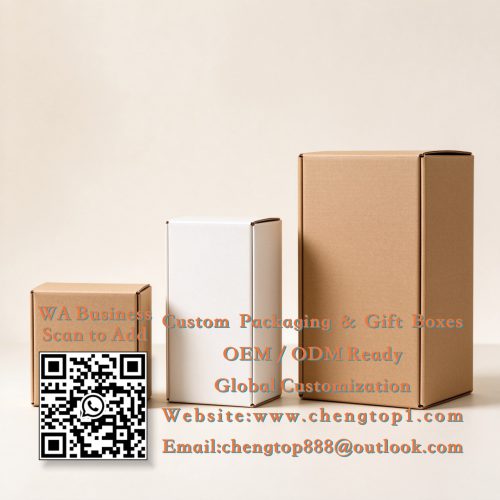
Which carton construction suits battery packs? Corrugated with a high edge crush value for the weight involved, and a fit that leaves no room for the contents to tumble. Double-wall is common for packs above a couple of kilos, and a full-overlap bottom removes the weakest panel from the load path. Dividers or die-cut inserts hold individual units apart. Where the pack is also the retail box, the retail carton usually sits inside a plain shipping carton – trying to do both jobs with one printed box tends to compromise the structure.
What has to appear on the outside? The lithium battery mark, the UN number for the battery type, contact details, and the documentation that goes with the shipment. The mark has a minimum size, and it has to sit where it will not be covered by tape or labels. Beyond the regulatory marks, a carton needs orientation arrows where the pack must stay upright and a handling note that survives a warehouse. Getting the mark right is a printing question, but getting it in the right place is a packing-line question, and both need to be decided before the run.
How is a battery pack tested before shipping? UN38.3 is run on the cell and battery, and the test summary travels with the shipment. Package-level performance is checked through drop, compression and stack tests that mirror the journey – the guide to ISTA and transit testing explains what those reports contain. A pack that passes the regulatory paperwork and fails a one-metre drop has not been tested at the level that matters to the customer receiving it.
What should a buyer send when quoting battery packaging? The cell or pack dimensions and weight, the number per carton, whether the product ships by air or sea, the shipping marks already required by the forwarder, and the retail presentation if one is needed. With those five facts the carton size, board grade and insert design resolve together. Anything about classification and documentation should be confirmed with the forwarder or a dangerous goods adviser, because the rules are regulatory and this article is general information rather than legal advice.
Chengtop produces corrugated shipping boxes and printed retail cartons in Wuhan, including double-wall constructions and die-cut inserts for heavy or sensitive contents. Send the unit dimensions, weight per carton and the shipping route, and we will come back with the construction and the packing layout. Message us with the details.