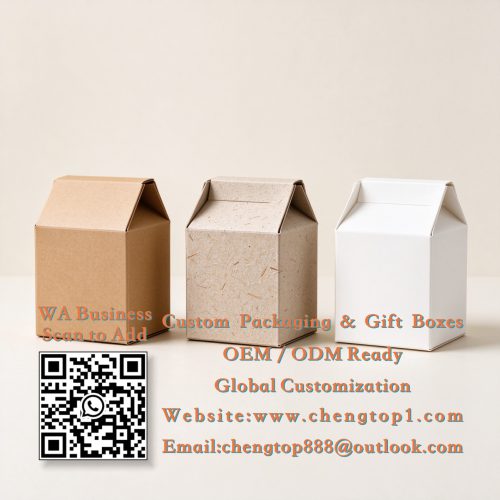
A carton is described as recyclable because it is made of paper. The mill that receives it disagrees, because the coating on the outside does not break down in the pulper and the printed film ends up as contamination in the furnish. The word recyclable in packaging is not a property of the base material alone; it is a claim about what happens to the whole construction in a real recycling system, and repulpability testing is how that claim gets evidence behind it.
What repulpability measures. A repulpability test takes a sample of the finished packaging, defibres it in water under controlled conditions in a standard laboratory disintegrator, and then screens the result to see how much material failed to break down. The output is a yield figure and a reject figure, plus a description of what the rejects are. A well-behaved paper board repulps to a high yield with rejects measured in fractions of a percent. A board with a heavy polyethylene coating or a laminated film produces a reject fraction that a mill cannot use.
How the test is run. The two common protocols are the Fibre Box Association method used in North America and the PTS method used in Europe, and both follow the same logic with different equipment and acceptance levels. Samples are conditioned, weighed, disintegrated at a set consistency and temperature, then diluted and screened through a defined slot size. The retained material is dried and weighed. Labs report the percentage accepted as fibre, and many add a handsheet test to check whether the recovered fibre still forms a usable sheet.
Where coatings decide the outcome. A water-based acrylic coating usually disperses well enough to pass, though heavy coat weights can raise the reject figure. A dispersion coating designed for recycling performs better than a conventional one, and suppliers of these coatings increasingly hold their own repulpability data. Polyethylene extrusion coating is the classic failure, because the film does not disperse and has to be screened out. Aqueous dispersions, PVOH-based barriers and some bio-based coatings sit in between, which is why a claim needs a test on the specific construction rather than a category assumption.
Deinking is the second question. A pack can repulp cleanly and still cause a problem if the ink does not detach from the fibre, because the recycled pulp then carries ink specks into the next product. Deinking tests simulate the flotation and washing stages of a deinking plant and measure the brightness and dirt count of the resulting pulp. UV inks, heavily cross-linked inks and some digital toners deink poorly. Conventional offset and water-based flexo inks on an uncoated surface deink well, which is one reason why a simple printed carton is easier to recycle than a laminated one.
The design decisions that move the number. Removing a film window, replacing a plastic handle with a paper one, keeping the adhesive area small and choosing a dispersion coating over polyethylene are the four changes that often turn a failing construction into a passing one. None of them is free, and each interacts with the others. A window patch removal changes the product visibility, a handle change affects the carrying test, and a coating change can affect scuff resistance. The point is that recyclability is a design variable, not an afterthought.
What a mill actually does with the pack. Repulpability data describes a laboratory result under ideal conditions. A real mill receives bales mixed with other grades, runs a pulper with limits on rejects, and will reject a load or downgrade it if the contaminant level is too high. That is why a material that passes a lab test can still be unwelcome in practice. Buyers selling into markets with regulated recycling infrastructure should ask whether the construction is accepted by the dominant local stream, not only whether it passes a bench test.
Evidence worth collecting. Useful documents are a repulpability report naming the construction and coating, a deinkability assessment if print coverage is high, a statement from the coating supplier, and where available a letter from a mill or a scheme confirming acceptance. A certificate that covers only the base board is a start, not an answer. The tests that matter are run on the finished pack, after printing and converting, because that is the object entering the waste stream.
How this connects to recycled content. Recycled content and recyclability are two different claims, and a pack can have plenty of one and little of the other. A high recycled content board with a polyethylene coating is a recyclability problem; a virgin board with a dispersion coating is a recycling-friendly construction with no recycled content. Brands often publish both figures, and the two should be sourced from different evidence. Confusing them is one of the more common errors in sustainability reporting on packaging.
The regulatory backdrop. Rules in several markets now require that a pack labelled recyclable is actually recyclable in the infrastructure available to the consumer, and some schemes require third-party assessment before the claim can be used. The direction of travel is toward evidence rather than assertion. Keeping a repulpability report and a coating declaration on file for each construction puts a supplier ahead of that requirement, and it also makes the next customer conversation shorter.
Where to start on an existing pack. Take the construction with the highest print coverage and the widest mix of materials, and test that one first. If it passes, the simpler packs in the range almost certainly pass. If it fails, the fix usually sits in one component, and knowing which one saves a round of redesign. A mono-material approach applied at the design stage costs less than retrofitting a coating later.
If a recyclability claim is on your roadmap for next season, send us the current construction and the coating you use. We will tell you which element we would test first and which substitution is likely to move the result.