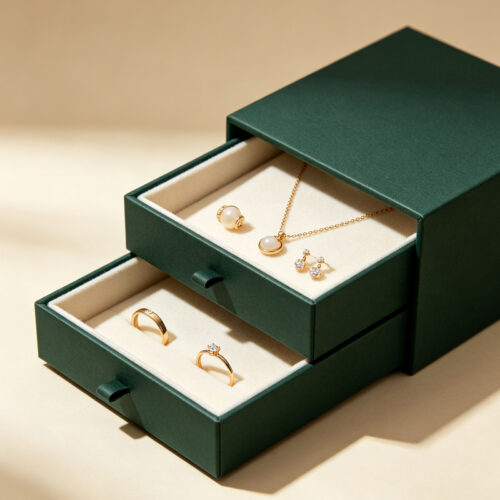
“Why are gift boxes used for cosmetics?” Cosmetics rely heavily on the unboxing experience; the structure and inserts of a gift box ensure the product is presented perfectly. High-end cosmetic packaging is an extension of the brand’s identity—consumers begin evaluating the product the moment they open the box.
Cosmetic packaging represents the pinnacle of high-end packaging, with consumers demanding high quality and scrutinizing every detail. From selecting the right gift box and matching inserts to managing the prototyping process, this article addresses common questions to help you avoid pitfalls in cosmetic packaging production.
“How should inserts be designed?” Materials like velvet, EVA, and foam are precision-cut to fit the product’s shape, ensuring it is both secured and protected. The color of the insert should complement the interior walls of the box—dark tones convey sophistication, while light tones suggest cleanliness—as this creates the crucial first impression upon opening.
“How do I choose the box style?” It depends on the product form. Magnetic closure boxes are common for single items like lipsticks and perfumes—custom packaging for these products is frequently requested. Drawer-style boxes are ideal for eyeshadow palettes and gift sets, allowing for a tiered reveal, while “lid-and-base” (two-piece) boxes offer a stable, premium feel for creams and serums.
“Are there eco-friendly requirements?” Yes. Markets in Europe and the US are increasingly focused on recyclable materials and plastic-free inserts. It is possible to balance sustainability with a premium feel; incorporating eco-friendly elements into your design plan early on helps secure overseas orders.
“Which finishing techniques should I choose?” Hot stamping, embossing/debossing, UV coating, and lamination are common combinations. Cosmetic packaging requires finesse; the precision with which logos and patterns are rendered determines the perceived quality. You don’t need an excess of techniques—highlighting a single standout feature often creates a more memorable impression.
“What should I look for during prototyping?” Color accuracy is paramount; even a slight deviation from the brand’s signature color can compromise the perceived quality. Prototyping involves verifying color values, the visual impact of finishes, and the tactile feel of opening and closing the box. Mass production should only begin after the prototype is signed off to ensure color consistency.