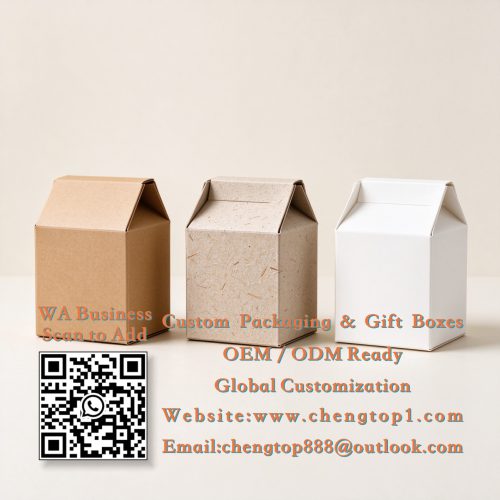
A US retailer asks for confirmation that packaging complies with heavy metal limits, and the supplier replies that the board is recycled and therefore environmentally sound. The two statements have nothing to do with each other. Recycled fibre is in fact one of the more common sources of restricted metals, which is why the question deserves a proper answer.
Which metals are restricted and at what level? Four: lead, cadmium, mercury and hexavalent chromium. The model legislation developed by the Coalition of Northeastern Governors, and the toxics in packaging clearinghouse framework that followed it, sets the limit at 100 parts per million for any one of the four, and also 100 ppm for the sum of all four measured together. The rule applies to packaging and packaging components intentionally introduced during manufacture or distribution, which includes inks, dyes, pigments, adhesives and coatings.
Where do these metals actually come from? Rarely from the paper fibre itself. Pigments are the usual culprit, particularly older inorganic colourants where cadmium once featured in yellows, oranges and reds, and lead appeared in some chrome yellows. Recycled pulp can carry contamination from printed waste, and inks from recovered newsprint or mixed paper are a known pathway. Coatings and adhesives contribute less often but are not exempt. The practical consequence is that a vivid red printed on 100 percent recycled board is the highest-risk combination a buyer can specify.
How is compliance verified? Two levels of testing. X-ray fluorescence screening is fast, non-destructive and good at flagging a problem, but it measures elemental content rather than the regulated extraction, so it works as a gate rather than a final answer. Acid digestion followed by inductively coupled plasma analysis gives the quantitative result that a declaration needs. Testing is done on the finished component, and a sensible program covers each colour and each substrate rather than a single composite sample, because a problem pigment is invisible in an average.
Does this apply to packaging imported into the United States? Yes. The state-level rules reach packaging sold or distributed in those states regardless of where it was manufactured, and the obligation sits with the party placing the package on the market, which in many supply chains means the brand owner rather than the printer. That is why buyers ask suppliers for evidence, and why the evidence needs to be specific to the construction rather than a general statement about the factory.
Is this the same as Proposition 65? No. Proposition 65 is a warning requirement for exposure to listed chemicals, and it operates through notices and labels rather than a concentration limit on packaging. A pack can satisfy the heavy metal limits and still trigger a Prop 65 question, or the reverse. The warning side runs through a separate regime built around exposure notices, and the two files belong in the same vendor folder.
What about Europe? The EU Packaging and Packaging Waste Directive has long set the same 100 ppm combined limit for the four metals, with a conditional exemption for recycled materials in glass and plastic. National interpretations differ at the edges, and the broader packaging regulation now moving through the EU adds recyclability and recycled content requirements on top. Buyers selling into both markets should ask for test data that satisfies the stricter reading, which in practice means the 100 ppm figure applied to each component.
What should a buyer ask the supplier for? A written statement naming the four metals and the limits, tied to the specific construction and colour set. A test report from a recognised laboratory, with the sample description matching the artwork, the date of the test and the method named. And a change control commitment, because a pigment substitution made to solve a colour problem can reintroduce a metal that was previously absent. This article is general information rather than legal advice, and the rules of the destination market govern.
If you are completing a retailer compliance pack, send the colour breakdown and the board specification and we will tell you what testing our Wuhan plant can support for the order. Begin on the quote request page.
Chengtop prints folding cartons, corrugated cases and rigid boxes in Wuhan, and we work with buyers who need material documentation alongside the print. Message us with the compliance clause you have been given and we will respond on what applies.