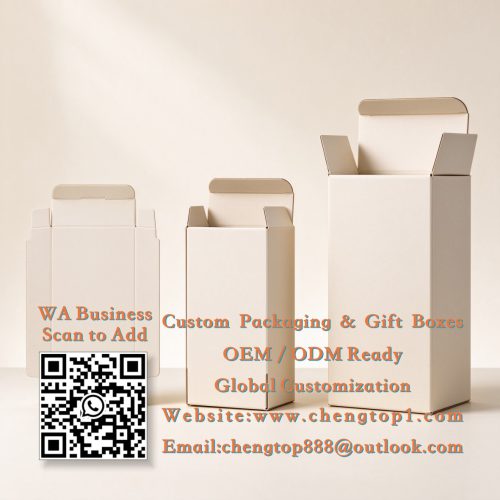
Boxes arrive from a four-week sea crossing stained, warped and soft at the corners, and nobody can find a leak in the container. There is none. The water came from the air inside the container itself, and the phenomenon has an unglamorous industry name: container rain. Moisture evaporating from wooden pallets, packing materials and temperature swings condenses on the ceiling and falls back onto the cargo as rain.
The physics is unremarkable. A container crossing from a humid Asian summer to a cold European winter passes through enormous temperature ranges, and warm air holds moisture that cold air cannot. Water vapour condenses on the first cold surface it meets – usually the steel roof, sometimes the container walls – and drips. Cargo that started the voyage perfectly dry can arrive showing water damage purely from what travelled inside the box with it.
Packaging is unusually exposed because of what it is made of. Paper board is hygroscopic – it absorbs and releases moisture with the surrounding air – and corrugated board loses compression strength measurably as moisture content rises, long before the box looks damaged. The relationship between humidity and board performance is covered in the article on board moisture and seasonal warping.
Printed surfaces suffer differently. Offset inks and coatings generally survive water, but uncoated or matt-laminated surfaces can pick up marking where cartons rest against each other damp, and foil edges can lift on board that has swelled and dried. Repeated moisture cycles also invite warp, which shows up at the filling line as boxes that will not run. The failure modes trace back to the same moisture mechanic.
The pallet is the usual smuggler. A kiln-dried pallet carries far less water than a cheap air-dried one, and some buyers specify treated, dried pallets precisely to cut the moisture source. Where the pallet choice is not yours to make, the mitigation shifts to packaging side – which makes it worth knowing what is under your boxes before blaming the factory. Loading practice more broadly is covered in the pallet and container loading FAQ.
Desiccants work, and they are cheap relative to a claim. Container-grade desiccant strips or bags hung from the walls absorb moisture through the voyage instead of letting it cycle between floor and ceiling. The sizing depends on voyage length, cargo and season – a summer crossing needs more than a winter one – and freight forwarders routinely supply them at modest cost when asked.
Wrapping choices matter as much as absorbents. Stretch film around the pallet slows moisture exchange but traps whatever is inside; breathable wraps vent vapour while shedding drips. Kraft interleaving between board layers absorbs condensation before it marks print. None of these is complicated, but each has to be specified in the packing instruction, because a factory loading to its own habits will not guess yours.
Carton design helps in ways that are easy to miss. Boxes that interlock across the pallet present a closed surface to falling drips; columns of unaligned cartons leave every third box exposed. Ventilation channels in the pallet pattern let air move and equalise. These are packing-pattern decisions more than board decisions, and they belong in the conversation before loading, not after the claim – the pattern logic sits in the same loading FAQ.
Receiving discipline closes the loop. Cartons that arrive showing damp should be unpacked, dried and counted before rejection, because moisture damage often affects presentation rather than function – and because a documented claim with photographs taken at the dock carries weight in a way a complaint three weeks later does not. What transit claims need as evidence is described in the after-sales and claims FAQ.
Storage after arrival is the last defence, and the easiest to neglect. Boxes that survived the ocean can still warp in a warehouse corner against a damp wall. Receipting stock into dry conditions, off concrete, rotated in order of arrival, preserves the compression strength the factory built in. The routine is short and set out in the box inventory and moisture notes.
If your routes cross humid seasons or long voyages, say so in the order. Packing instruction can then specify dried pallets, desiccant quantities, wrap type and pallet pattern as line items rather than hopes. Start with your route and season on the quote request page and we will quote the packing specification alongside the boxes.
Chengtop produces corrugated shipping boxes, caixas dobráveis and rigid boxes at our Wuhan plant, and we pack containers to written instruction. Message us with your shipping route if condensation has bitten before – it is a solvable problem, but only before loading.