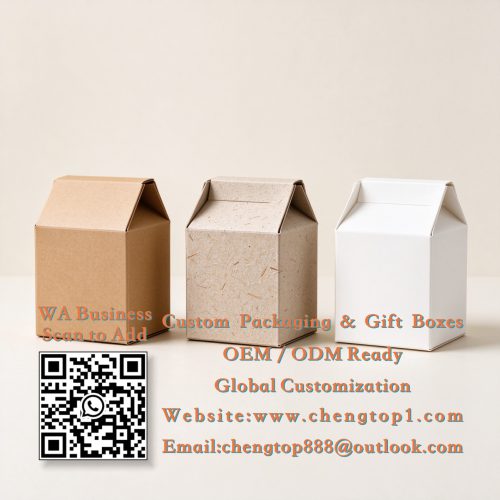
Paper packaging sits inside the EU deforestation regulation because pulp and board come from wood, and wood is one of the commodities the regulation covers. That single fact has moved a once-simple material question into the middle of supplier conversations. Buyers who did not previously ask where fibre came from are now asking for documentation that traces it back to a plot of land.
The regulation works through a due diligence statement rather than a certificate. An operator placing the goods on the market – usually the EU importer or the brand – files a statement after assessing risk, and the statement carries a reference that travels with the consignment. Suppliers sit upstream of that statement, providing the information the operator needs to make it. The obligation is not transferred to the factory by asking the factory to sign something.
The data an operator needs includes the product’s commodity code, quantity, country of production, and geolocation of the plots where the raw material was harvested. For paper and board that means the mill’s sourcing information, which is several steps away from the converting factory. This is where many packaging projects stall: the printer buys board from a merchant who buys from a mill, and each step has to pass information back.
Forest certification helps but does not close the question on its own. FSC or PEFC chain of custody shows that certified material entered the supply chain and was tracked through it; the regulation asks for a risk assessment against deforestation and legal production that certification can support but not replace. The certification landscape itself is set out in the guide to FSC, GRS and degradable claims.
Timing has been the awkward part. Application has been phased by product category and the dates have moved more than once, with large operators facing obligations before smaller ones. Any specific date written into a blog post ages badly, so treat the current status as something to confirm with the buyer’s compliance team or the EU’s own guidance rather than something to plan from an article.
What a packaging supplier can realistically provide is a material declaration naming the board grade and mill, the mill’s own sourcing statement where it is available, and chain of custody certificates where the grade is certified. That package lets the operator complete a risk assessment. What the supplier cannot do is certify the harvest location of fibre it did not buy.
For non-EU buyers the regulation still shapes pricing and availability. Board that can be documented for the EU market commands a premium and gets allocated first in tight markets, and a mill that has to run two streams – documented and undocumented – passes some of that cost through. Buyers who need EU-compliant board should say so at the enquiry stage rather than after the price is agreed.
Smaller operators and low-risk sourcing have lighter requirements, and the regulation builds in a simplified route for products from countries assessed as low risk. That does not remove the need for records. It changes how much evidence has to be assembled, and the assessment of which route applies belongs to the operator, not the printer.
Record keeping runs for years after the shipment, which has a practical consequence for how long a packaging file has to be retained. Artwork proofs, material declarations and mill certificates that used to be archived for a season now need to be findable years later. Suppliers who keep job files organised by batch do better in these requests than those who keep them by customer name.
There is a design angle too. Mono-material paper packaging is easier to document than a mixed structure with a film window, a plastic insert and a laminated surface, because each added component brings its own chain of custody. Where a brand is deciding between two structures that perform equally, the documentation burden is a legitimate tiebreaker.
This is general information rather than legal advice, and the regulation is interpreted through EU guidance and national competent authorities. Where a buyer’s compliance team specifies a data format or a declaration template, use theirs. The useful move for a supplier is to know which mill supplied which grade on which job, and to be able to produce that within a day.
If a buyer has asked for sourcing information with a packaging order, send the board grade and the market. Chengtop prints folding cartons and corrugated boxes at our Wuhan plant and can name the mill behind each grade and pass on the certificates that come with it. The quote request page is the place to start.
Chengtop produces caixas dobráveis, corrugated shipping boxes and rigid boxes from our plant in Wuhan, buying board through established merchants and mills. Message us with the board grade and destination market, and we will confirm what documentation can travel with the order.