

What Counterfeits Actually Cost Your Brand — and Where a Holographic Seal Pays Itself Back
When brands tally up counterfeit damage, they usually count only the sales that were stolen. The bigger lines sit elsewhere: support tickets for products you never sold, marketplace delistings, distribution partners quietly switching suppliers. This article breaks down where the money actually goes, why copycats struggle to fake a proper hologram, and how to size a seal programme so its cost stays proportionate to the risk.
Solicitar um orçamento
Introduza a quantidade que necessita e adicione-a à sua lista de orçamentos para solicitar preços.
Descrição
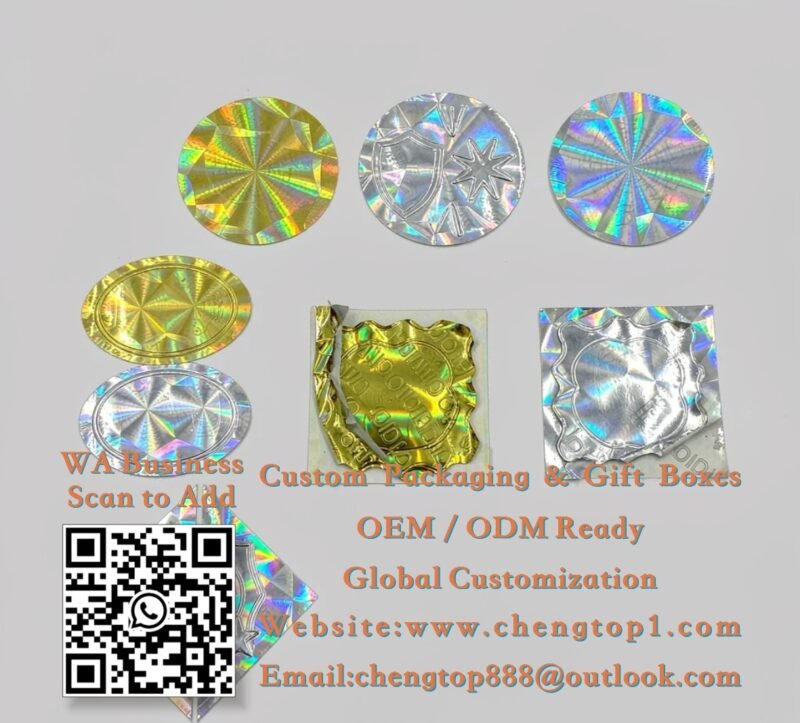
Nobody discovers counterfeiting through a tidy invoice. It surfaces as a one-star review describing a product you never made, a distributor complaining about a rival shipment at half your price, or a customer returning an item with packaging your factory has never printed. By the time the problem is visible, it is usually costing money on several fronts at once — and most of those fronts respond far better to prevention than to cleanup. A holographic security sticker is one of the few preventive tools that costs cents per unit and is visible to everyone who matters: the customer opening the box, the reseller checking stock, and the counterfeit workshop deciding which brand to copy next.
Follow the Money: Lost Sales Are the Smallest Line on the Damage Report
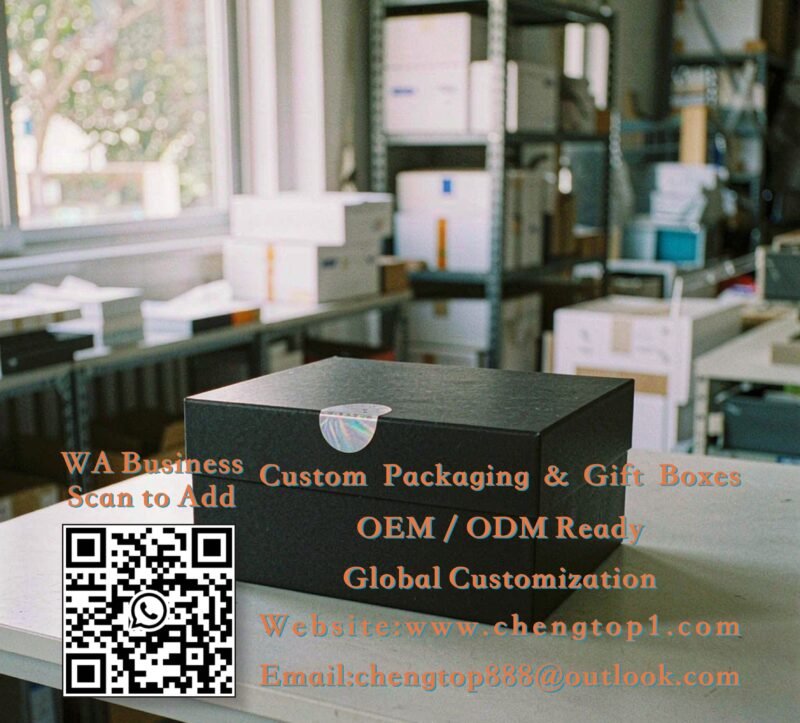
Industry estimates put global trade in counterfeit goods in the hundreds of billions of dollars a year, but the aggregated figure hides what the damage looks like for a single brand. Directly displaced sales are real yet often the smallest entry. The heavier lines are indirect: a flood of complaints and returns for fakes, handled by your support team at your expense; refunds for products that were never yours; damaged-review drift that drags a listing’s conversion rate down for months; and marketplace takedowns that suspend the listing while the platform investigates — usually losing you peak-season weeks. For brands sold through distributors, there is a quieter cost still: partners who lose confidence in a “leaky” brand start hedging with competitors’ products.
Seen item by item, the prevention maths changes shape:
- A security seal costs cents per unit — a fraction of one lost sale per thousand covers it
- Every genuine unit the customer can verify in seconds is a support ticket that never opens
- Copycats pick targets by effort; a brand with visible authentication is simply more work than the next one
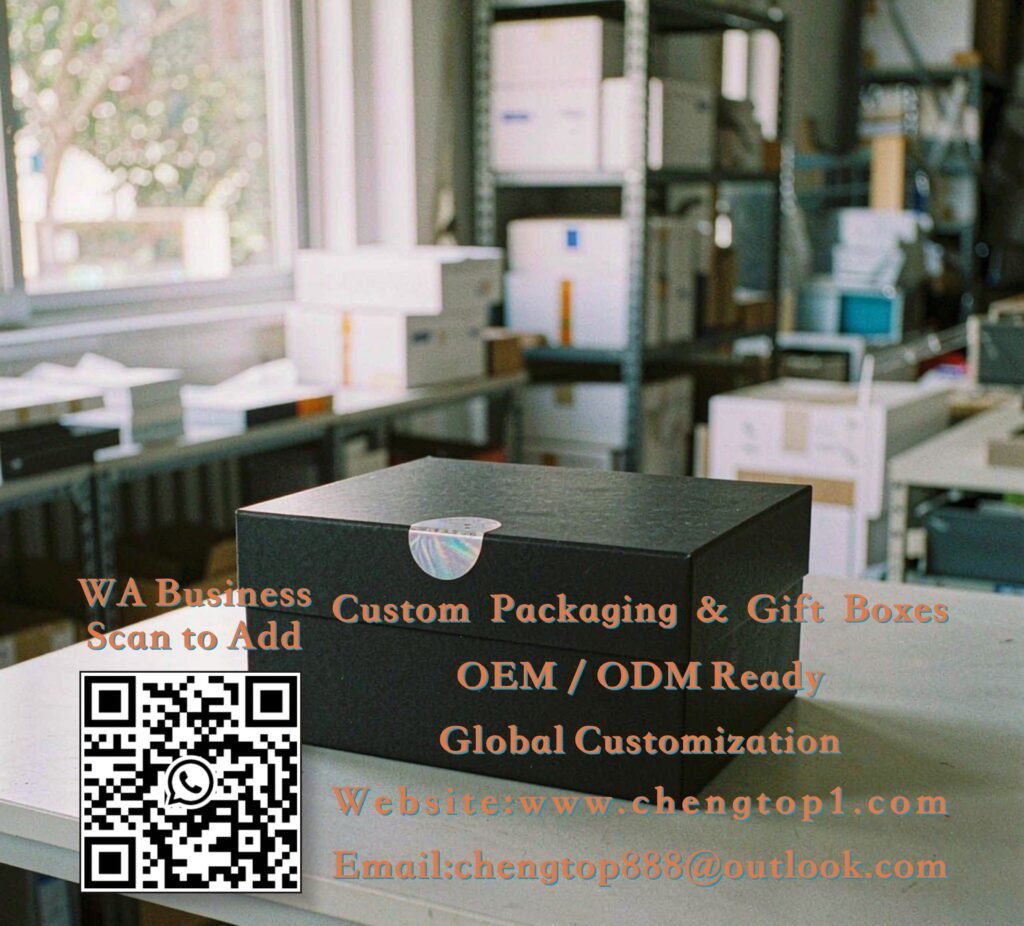
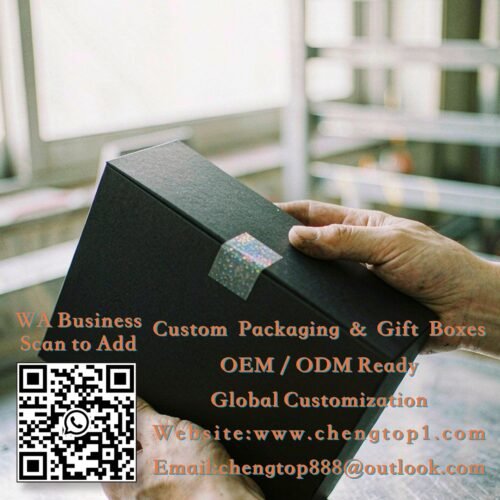
One practical note for brands planning a first seal run: authentication only reduces those indirect costs if people know what to look for. Print a short verification line on the card inside the box, brief your resellers with a sample seal, and give your support team one reference image per SKU. A seal that customers cannot interpret is decoration; a seal they can check in two seconds is the piece that keeps a fake review from ever being written about a product that was never yours.
Why the Rainbow Is Hard to Copy: What Fakers Actually Face
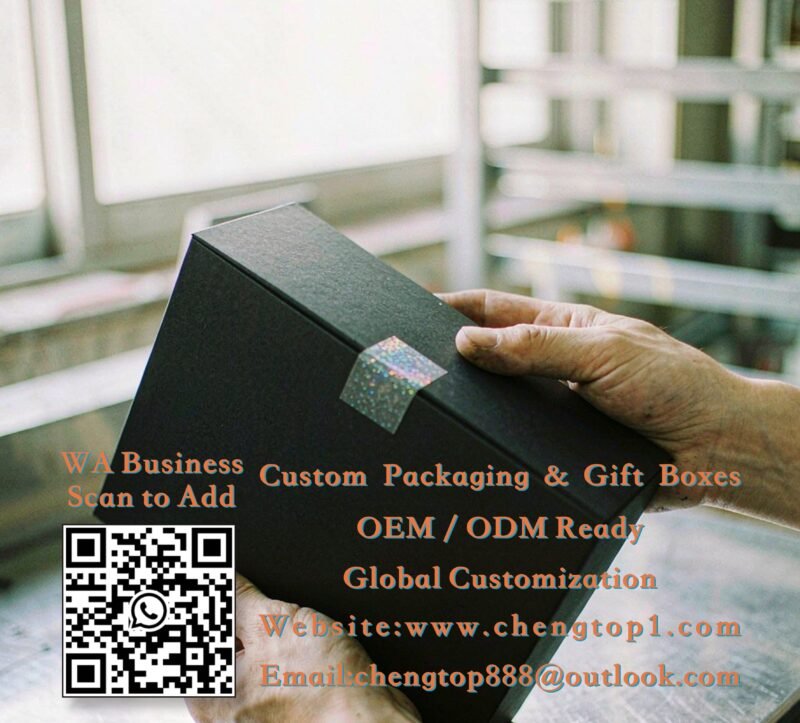
The reason holograms stay useful is economics on the counterfeiter’s side. A true hologram is embossed from a nickel master carrying microscopic diffraction structures; making an original master demands specialised optical equipment and a cleanroom-grade workflow that generic print shops simply do not own. A fake workshop can buy a rainbow film that shimmers, but it cannot replicate the specific pattern, movement and hidden features of your master without commissioning one — which costs real money and time. This is why the security value scales with your choices: a stock hologram pattern (available to everyone) deters opportunistic copying only, while a custom hologram sticker built on a dedicated master — typically from 5,000 units upward — moves the bar from “hard to fake casually” to “requires a serious investment to attempt”. For export brands, pairing the visual seal with a serial number or QR check adds a second layer that works even when the buyer is not sure what the hologram should look like.
Sizing the Programme: Where a Seal Stops Being Worth It

Counterfeit risk is not uniform, so neither should the seal programme be. High-value items, products with a large grey-market price gap, and anything sold into markets where counterfeits of your category are common all justify a dedicated master and serialisation. Low-margin commodity add-ons usually do not: when the counterfeiter’s profit per unit is close to yours, the economics that protect you also protect them from bothering. A pragmatic starting point many brands use is a two-tier rollout — a standard security seal on the full range, upgraded custom film on the flagship SKUs — then expanding coverage based on where complaints and grey-market sightings actually appear rather than where they are feared. Production runs at the 1,000-unit level for standard seals take roughly 10–15 working days after a 3–7 day proof cycle, so the decision point is sizing the first order, not changing course later.
FAQ: Anti-Counterfeiting Seals and Where They Pay Back
What is the MOQ for holographic security seals?
Most custom label and seal orders start at 500 to 1,000 pieces for short promotional runs, with a lower unit cost at larger quantities; the minimum depends on label size, face stock, adhesive, printing process and any die-cut or security feature. holographic security stickers We can quote a tiered MOQ for your opening run.
How do security seals protect a brand on export and retail shelves?
A proof usually takes 3 to 5 working days after artwork confirmation, and bulk production runs 7 to 12 working days once approved; foil, serial numbering or security features add time. Send your target delivery date so the run can be scheduled. holographic security stickers
What security features are worth paying for?
For the cost of counterfeiting and seal payback, the right face stock and adhesive depend on the surface, conditions and whether the label must stay on, peel cleanly or release in repulping; we test the pairing on your actual board before the full run. custom stickers and labels
Can seals be matched to our boxes and packaging set?
Send your logo vector, Pantone or CMYK references and the label dimensions. We match the brand colour on the chosen stock and check contrast, text size and scan legibility before press. caixas rígidas personalizadas and custom paper bags
How long does seal production and artwork approval take?
Ordering the seals or labels together with the rest of the packaging keeps the material story and branding consistent across every item in the set. holographic security stickers
Still Have a Question?
Send us your logo, box dimensions and target markets — we will suggest a security level, run a free artwork check and reply with a quote within 24 hours.