A bottle with a complex shoulder gets a shrink sleeve that fits beautifully at the base and stretches the logo into a smear at the neck. Sleeve design is a two-dimensional artwork mapped onto a three-dimensional shape, and the mapping is where the problems start.
Which film is used? PVC shrinks a lot and is cheap, which is why it still appears on high-shrink containers, though it carries a recycling penalty. PETG shrinks less but has better recyclability credentials and a good finish. OPS sits between the two on shrink and is common on dairy and beverage. The film choice sets the maximum shrink available, and a container with a deep neck or a strong taper needs a film that can follow it without thinning to the point of tearing.
How much shrink is needed? The sleeve is supplied as a tube with a diameter larger than the container, and the difference between the two is the shrink required. A straight cylindrical bottle needs little; a contoured bottle with a shoulder and a waist needs much more, and the sleeve has to shrink unevenly to follow the shape. The layout has to be designed with the shrink in mind, because the area that will stretch is the area where artwork distorts.
What happens to barcodes and text? A barcode printed on a sleeve that shrinks unevenly will not scan if the bars are distorted beyond tolerance, and small text on a curved shoulder loses legibility. The usual fixes are to keep the barcode on a low-shrink area, to orient the bars so that distortion acts along the bar direction rather than across it, and to increase type size where the shrink is high. Software that maps flat artwork onto the container shape is how the layout gets checked before the plates are made.
How is the sleeve applied? The sleeve is cut from a printed tube into individual bands, slipped over the container and passed through a steam tunnel or a hot air tunnel where it shrinks to fit. Application speed, tunnel temperature and conveyor dwell all affect the result. A sleeve that looks right at low speed can wrinkle at high speed, and a tunnel that runs too hot produces a hard, shiny finish and can distort print. The applicator and the label supplier have to agree the shrink curve, not just the artwork.
What are the common defects? Wrinkles at a shoulder, a dog-ear at the base, a visible seam line, colour shift where the film stretches, and a loose skirt at the bottom where the sleeve does not grip. Each points to a specific cause: insufficient shrink in one zone, a tunnel temperature that is too low, a seam that was not positioned away from the front panel, or a container that varies in diameter from batch to batch. Container tolerance is part of the specification, not a separate issue, and it is checked in the same sample approval as the print.
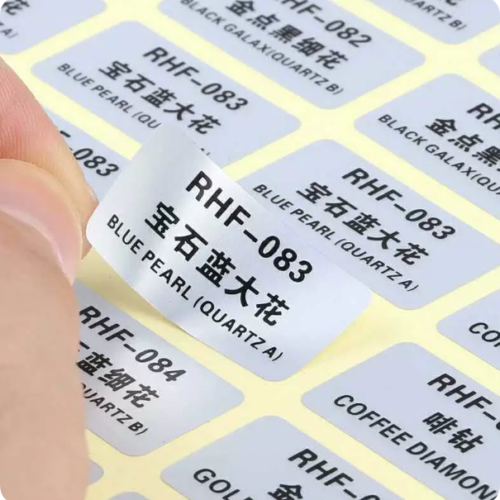
How does a sleeve compare with a pressure-sensitive label? A sleeve covers the whole container, gives 360-degree print and can be removed for recycling on some designs. A pressure-sensitive label is cheaper at low volume, needs no applicator tunnel and suits a simple container. For a short run or a test market, a self-adhesive label is usually the faster route; a sleeve earns its cost at volume with a shaped bottle and a design that uses the full wrap.
If a sleeve is on the table, send us the container drawing, the shrink zones and the artwork. We will tell you which film can follow the shape and where the layout needs to change before plates are made.
Chengtop Packaging prints labels and sleeves alongside folding cartons and rigid boxes in Wuhan. Send the container drawing and the volume, and we will come back with a film and layout proposal.