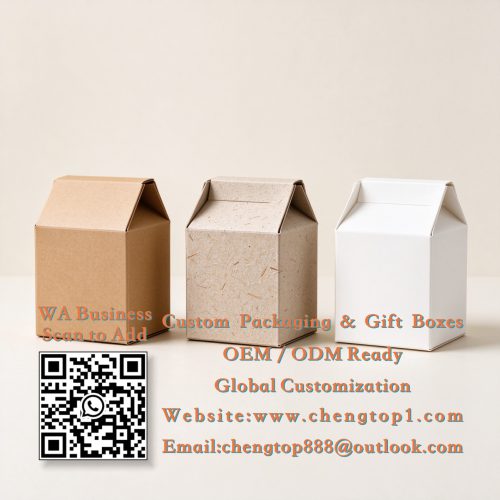
First, decide exactly what you are sealing. The functions of heat-shrink film are: dust protection (preventing dust from settling), moisture protection (preventing water vapour), and securing (sealing the opening to prevent it from opening); first distinguish between ‘display purposes’ (transparent and aesthetically pleasing) and ‘storage purposes’ (long-term protection) before finalising your plan — displays require transparency, whilst storage requires a secure seal.
What about PET? PET (polyester film): high strength, temperature-resistant and transparent; suitable for ‘heavy items and export’ — alcoholic beverages, household appliances and export goods; drawbacks: high cost, average shrinkage rate. When selecting PET, prioritise its ability to ‘withstand transport’.
What about POF? POF (cross-linked film): uniform shrinkage, flexible and environmentally friendly (recyclable), suitable for ‘food and gift boxes’ – food containers and colour-printed boxes; drawbacks: slightly higher cost. When selecting POF, the guiding principle is ‘shrinkage that is smooth and wrinkle-free’.
Shrink film is the ‘final layer of protection’ for packaging: once shrunk, it protects the box from dust and moisture, whilst making it look neater on the shelf — if the wrong film is chosen, it will either wrinkle or become brittle after shrinking. This article explains how to choose shrink film; clients in the packaging and personal care sectors should refer to it as required.
The economics of shrink film: PVC offers low cost, POF is environmentally friendly, and PET provides high strength — once you’ve clearly considered ‘what to seal and where to sell it’, your investment in shrink film will be well spent.
Shrink process? Process: shrink temperature (matched to the film material), shrink ratio (allowance for shrinkage); conduct a ‘seal test’ (for moisture resistance) before placing an order. Regarding process details, the benchmark is that the film should be ‘flat and crack-free after shrinkage’.
What about PVC? PVC (polyvinyl chloride): offers good shrinkage, is inexpensive and transparent, and is suitable for ‘sealing personal care products’ — bottles, jars and boxes; disadvantages: environmental concerns (chlorine) and poor low-temperature resistance. When selecting PVC, prioritise ‘cost savings for bulk orders’.