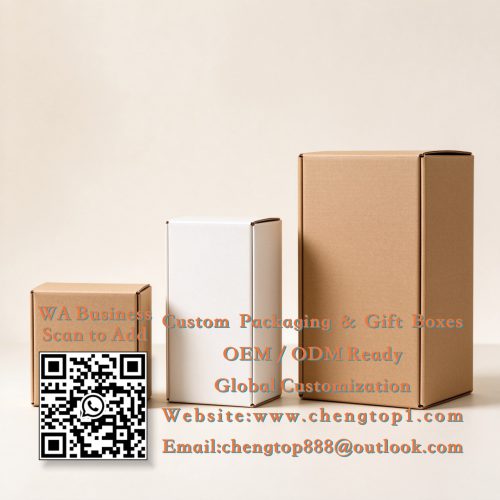
A parcel arrives with the air pillows flat and the product resting against one corner of the carton. The pillows were there, they simply had nothing to push against once the box was compressed in a sorting hub. Void fill works only when the box is full, and fullness is a specification, not an impression.
What is void fill actually for? Two jobs: stopping the product from moving, and absorbing the energy of a drop before it reaches the product. Those need different materials. Immobilising wants a fill that presses against the product and the walls; cushioning wants a layer that deforms. A box packed tight with paper but with no clearance around a fragile item still transmits impact straight through.
Paper, air or foam? Kraft paper is recyclable in the same stream as the carton, costs little per cubic metre, and works well for light goods and for presentation. Air pillows are cheap, light and fast to pack, but they deflate under sustained load and they are film in a paper box. Foam, whether sheet or moulded, gives the highest protection per millimetre for heavy or fragile items and carries the highest cost. Many export parcels use a paper fill for the void and a moulded pulp or corrugated insert for the product, which keeps the pack recyclable.
How much fill is enough? A useful rule is that the box should close with slight resistance and the product should not move when the sealed box is shaken. Around 50 mm of fill between the product and each wall covers typical courier traffic; heavy items need more, and the corners need fill that stays put rather than settling. Fill that pours to one end in transit is the packing fault that shows up repeatedly at goods-in.
Can void fill fix a weak box? No. Box strength comes from the board grade, the flute and the stacking load, and fill inside a collapsing carton cannot restore it. Where a box bulges or the corners soften in a humid warehouse, the answer is board rather than more paper. Buyers sometimes add fill to compensate for a box that is too large, which adds cost and still leaves the product loose; resizing the carton is cheaper.
What about the recycling claim? A paper fill inside a paper carton supports a claim that the pack is recyclable in the paper stream. Air pillows and foam do not, and a mixed pack forces the customer to separate materials, which few do. Where a brand prints a recycling instruction, the fill has to match it, and the wording should be checked against the local collection rules rather than assumed.
How should it be tested? Pack a sample exactly as production will, seal it, and drop it from the height the courier’s sorting equipment implies, usually around 80 cm for parcels under 10 kg, on a corner and on a face. Then open it and look at the product and the fill. A drop test on a representative parcel takes twenty minutes and predicts the damage claims that matter.
Send the product weight, fragility and the courier route, and we will propose a carton and fill combination that survives it. Start on the quote request page.
Chengtop engineers corrugated mailers and cases with inserts and fill matched to the product, and can pack a trial parcel for a drop test at the Wuhan plant. Message us with the item and the destination and we will confirm the packing method.