

What Size Should Your Sticker Be? A Practical Guide for Jars, Bottles, Boxes and Mailers
Too small and the product looks homemade; too big and the label wrinkles around curves. Sticker sizing has a few simple rules of thumb — learn them once and every future order gets easier.
اطلب عرض أسعار
أدخل الكمية التي تحتاجها وأضفها إلى قائمة عروض الأسعار الخاصة بك للاستفسار عن الأسعار.
الوصف
Size is the specification clients get wrong most often when ordering custom stickers and labels — and it is entirely avoidable. You do not need design software to size a label correctly; you need a ruler, your actual product, and the guidelines below. Here is how we recommend sizes for the four most common applications.
Jars and Tins: Size to the Lid, or Size to the Body

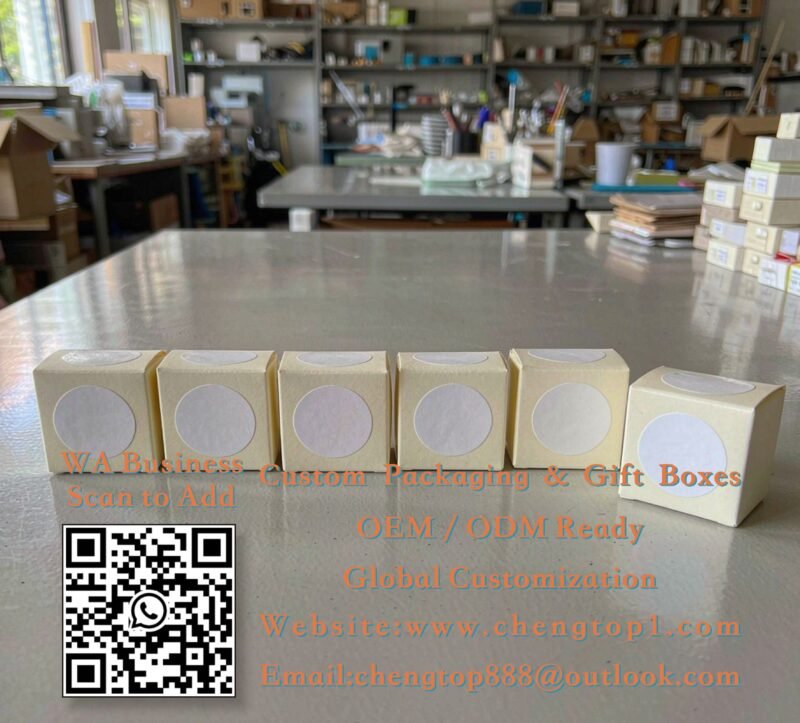
Round containers offer two placement strategies, and each has its own sizing rule. Lid-top labels should sit slightly inside the lid’s diameter — measure across the lid, then subtract about 4–5 mm total so the label never overhangs. A 58 mm lid takes a 50–53 mm label; a 38 mm lid takes a 33–35 mm label. Body labels wrap the flat face of the jar: here the label width should stay about 5 mm clear of the curve on each side — if the flat face is 70 mm wide, a 58–62 mm label sits beautifully, while a 70 mm one will wrinkle as it meets the glass curve. The three jars above show the logic: the label is always a step smaller than the container, never a perfect fit.
- Lid labels: lid diameter minus 4–5 mm
- Body labels: flat face width minus about 8 mm total
- Common round sizes: 33, 38, 50, 58, 70 mm cover most jars and tins
Measure Before You Order — With the Real Container

The most reliable method is embarrassingly simple: measure the actual product, not the supplier’s listing. Container sizes vary by a millimeter or two between batches, and printed dimensions online are sometimes the outer box, not the jar. Measure the widest flat area where the label will sit, write it down, and order the label 4–8 mm smaller in each direction. If your product comes in multiple sizes (like the honey, spice and candle jars above), it is usually cheaper to order one label size that fits the middle container acceptably than three different sizes — unless the size differences are dramatic. And if you plan to apply labels by hand or with an applicator, mention it when you order; roll format versus cut pieces changes what sizes apply fastest.
- Measure the real container — not the website listing
- One well-chosen size often beats three sizes at MOQ
- Tell your printer about application method (hand vs machine)
Mailers and Boxes: Seals Up, Labels Small
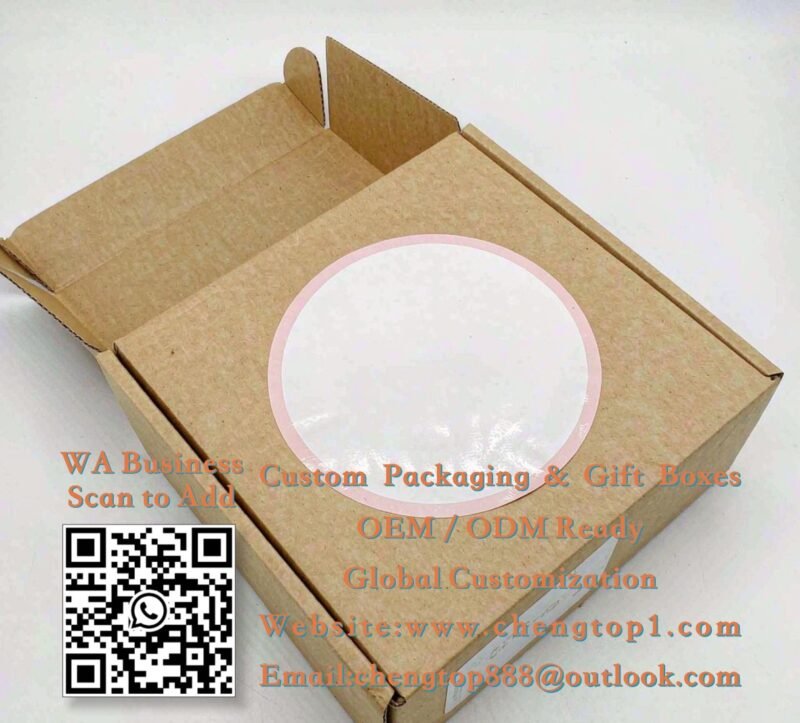
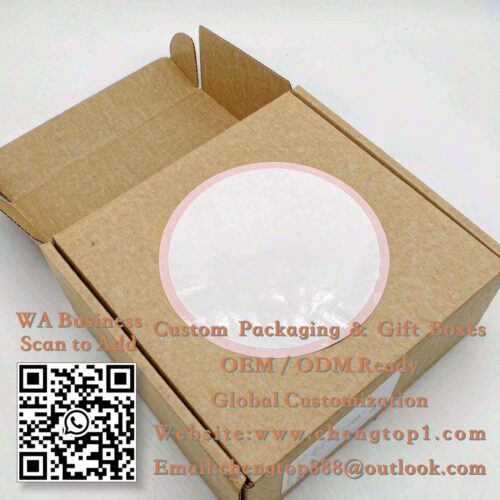
Shipping packaging follows the opposite logic: go big on the seal, small on the label. A circular brand seal of 50–70 mm reads clearly across a room and turns a plain kraft mailer into branded packaging instantly — this is the single highest-impact sticker most e-commerce sellers buy. Secondary labels ( slogans, “thank you” notes, social handles, QR prompts) work best small: 25–40 mm rectangles or circles placed at a corner or on the flap edge, so the box stays uncluttered. Resist the urge to cover the mailer with stickers — one bold seal plus one small accent looks designed; five competing stickers looks like tape. For serial-numbered or security applications, pair the seal with our holographic stickers, and use a plain printed label for the informative bits.
- Main seal: 50–70 mm round, centered on the closure
- Accent labels: 25–40 mm, corners and flap edges only
- Formula: one big seal + one small label = clean and branded
Get Your Size Checked for Free
Measure your container and send us the numbers — we will recommend the exact label size and shape, with a quote and samples within 24 hours.