Label Adhesive Under Cold-Chain Condensation
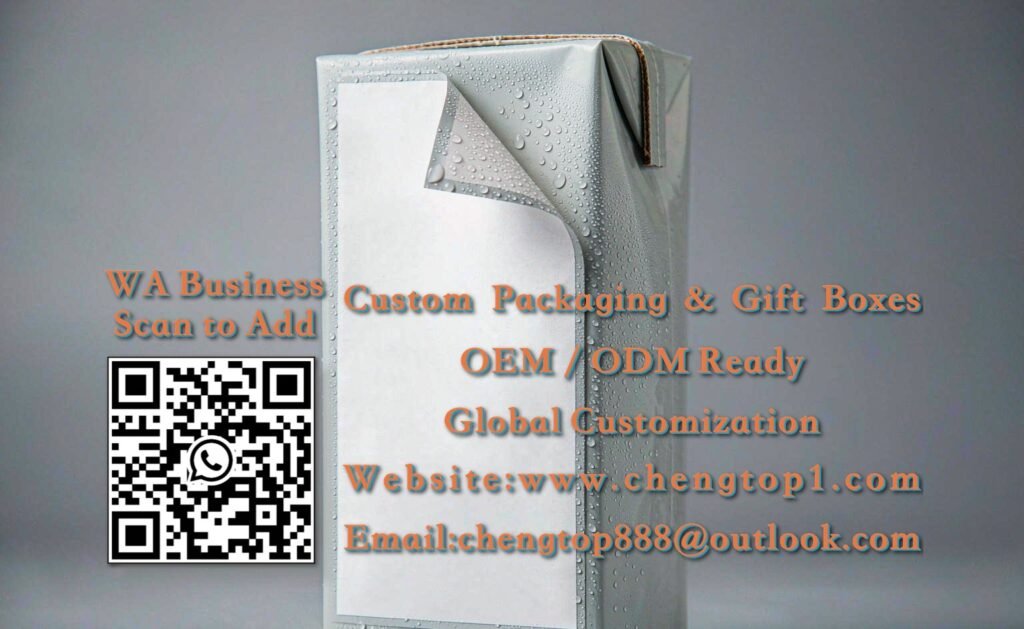
Condensation forms when a chilled pack moves into warmer air, and moisture reaches a label from its die-cut edge rather than through the face stock. Paper wicks it inward and curls, while a clear film can show a halo behind the print. Let cartons reach a workable temperature before labelling, seal the cut edge, and scan the barcode again after a cold-to-warm cycle.
Demander un devis
Indiquez la quantité souhaitée et ajoutez-la à votre liste de devis pour obtenir un devis.
Description
A label applied to a cold carton in a dry room can be sitting in a film of water an hour later. Condensation forms when a chilled pack moves into warmer air, and the moisture collects at the label edges first. An adhesive chosen for room-temperature application can hold for a day and then let the corners lift, taking the print with them.
What Condensation Does at the Label Edge
Water reaches the bond line from the edge, not through the face stock. A paper label wicks that moisture inward and swells, which curls the corners; a film label does not swell but can trap a visible halo of moisture behind a clear face. Either way the failure starts at the die-cut edge, so corner radius and edge sealing matter as much as the adhesive grade.
Application temperature matters too. A cold carton surface gives a pressure-sensitive adhesive little chance to wet out, so the initial tack is low even before condensation appears. Let the cartons reach a workable temperature before labelling, or use an adhesive rated for cold application, and press the label firmly across its whole area rather than only at the centre.
Face Stock Against Moisture
Uncoated paper absorbs water and shows a grey tide line along the edge. A coated paper resists longer but can still lift if the coating is not sealed at the cut edge. Film face stocks handle the moisture better, though a clear film over a printed carton can magnify any small bubble into an obvious fault.
Where a varnish or a soft-touch film is applied over the label, check that it reaches the edge and does not stop a few millimetres short. An unsealed paper edge is the point where water gets in. The autocollants et étiquettes range includes paper, kraft and film options, and the same adhesive does not suit all three.
Adhesive Grade and Removal Behaviour
A permanent adhesive holds through a cold chain but can tear the carton surface if the label has to be removed. A removable grade peels cleanly and is more likely to lift at a wet corner. Decide which behaviour the pack needs before choosing, and test on the finished carton with its varnish in place, since a film changes how the adhesive anchors.
For a tamper-evident seal on the same pack, keep the two specifications separate. A seal needs to break or leave a residue when removed; a product label needs to stay flat and readable. Using one material for both jobs usually compromises each of them.
Print and Code Durability
Moisture can soften a water-based ink or a thin overprint varnish, and a barcode that scanned in the packing room may fail after a chilled journey. Keep the code on a panel that stays dry, use a backing patch where the face stock allows, and scan a sample after it has been through a cold-to-warm cycle rather than straight off the line. The release liner plays a part too: a label that lifts slightly at one corner before it is applied tends to lift at the same corner on the carton, so check the die-cutting on the liner sheet before the labels reach the applicator.
Checks Before the Order Is Placed
- Apply the label to the finished carton surface, including its varnish.
- Let chilled cartons reach a workable temperature before labelling.
- Seal the cut edge with a varnish or choose a film face stock.
- Run a cold-to-warm cycle, then look at the corners under raking light.
- Scan the barcode again after that cycle, not only on the labelling line.
Send the carton finish, the storage temperature range and the label size when you ask for a quote. With the face stock, the adhesive and the edge detail chosen together, the label stays flat from the packing bench to the customer’s hands.