Cosmetic Cartons: Shade Variants and Colour Control
A shade range can mean a dozen cartons that differ by one printed band, and the risk sits in keeping the base colour identical across every run. Soft-touch film and spot UV shift the reading again. Agree a colour standard on the finished substrate, keep the variant change to one ink, and approve a full set of shades together rather than one at a time.
Request a Quote
Enter the quantity you need and add to your quote list for pricing inquiries.
Description
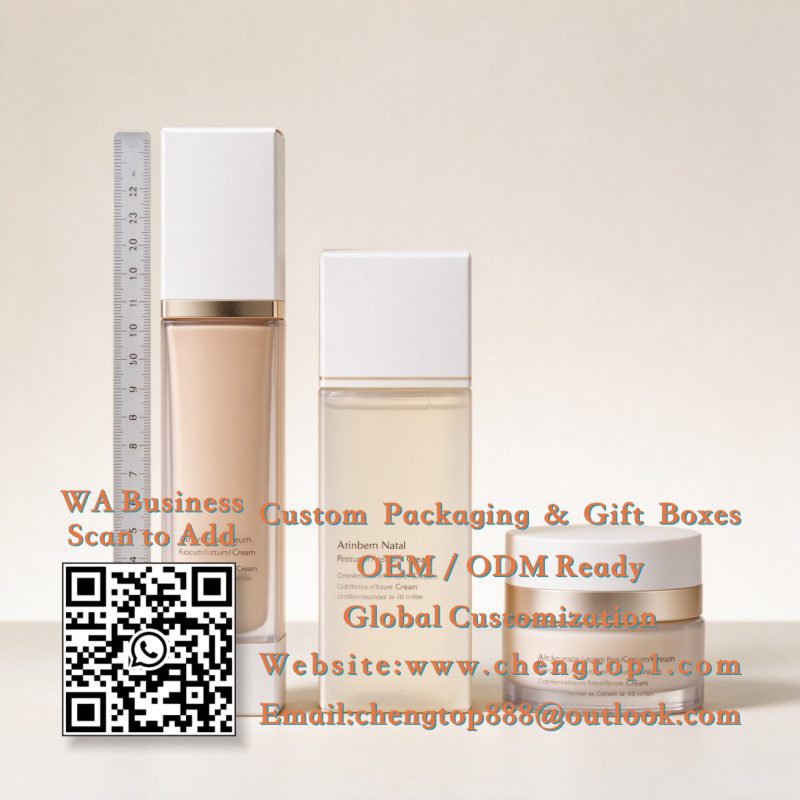
A cosmetic range can carry twelve shades that differ by a single printed band, and the difficulty is not the band. It is keeping the base colour, the finish and the logo identical across a dozen short runs. A customer lining the cartons up on a shelf notices a base that has drifted warm before she notices the shade name.
One Standard on the Finished Substrate
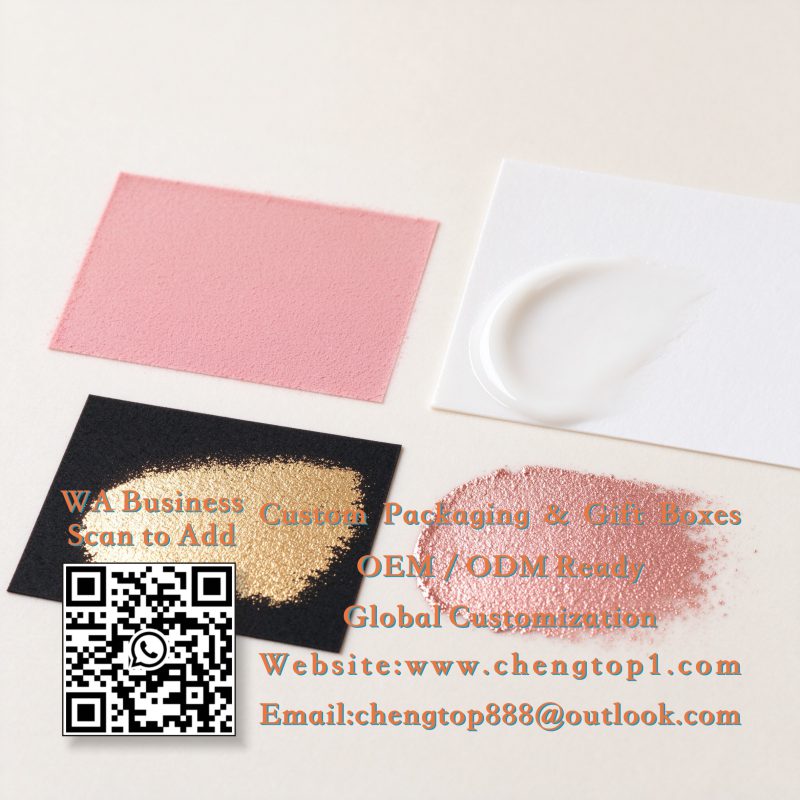
Colour has to be agreed on the finished carton, not on a paper proof. A soft-touch film shifts a pale base towards grey, a spot UV varnish deepens a dark one, and an uncoated board softens everything. Approve a master drawn from the production substrate with the finish applied, and keep that physical sample at the press for every variant in the range.
Where a range is printed in more than one batch, a small shift in the white of the board can move the whole set. Ask for the same board lot across the variants where the schedule allows, or agree a tolerance that is visible enough to manage but tight enough to keep the shelf block consistent.
Keeping the Variant Change to One Ink
The fewer plates that change between shades, the easier the set is to hold. A design that keeps the base, the logo and the typography on common plates, and changes only one spot colour or one process band, gives the press far less to rebalance. It also makes a short run of a slow-moving shade practical without rebuilding the whole job.
Barcode and shade code placement belongs in that plan. A code printed over a variant band can lose contrast, and a code moved between shades makes the picking list at the warehouse harder to read. Fix its position for the whole range.
Finishes Across a Set
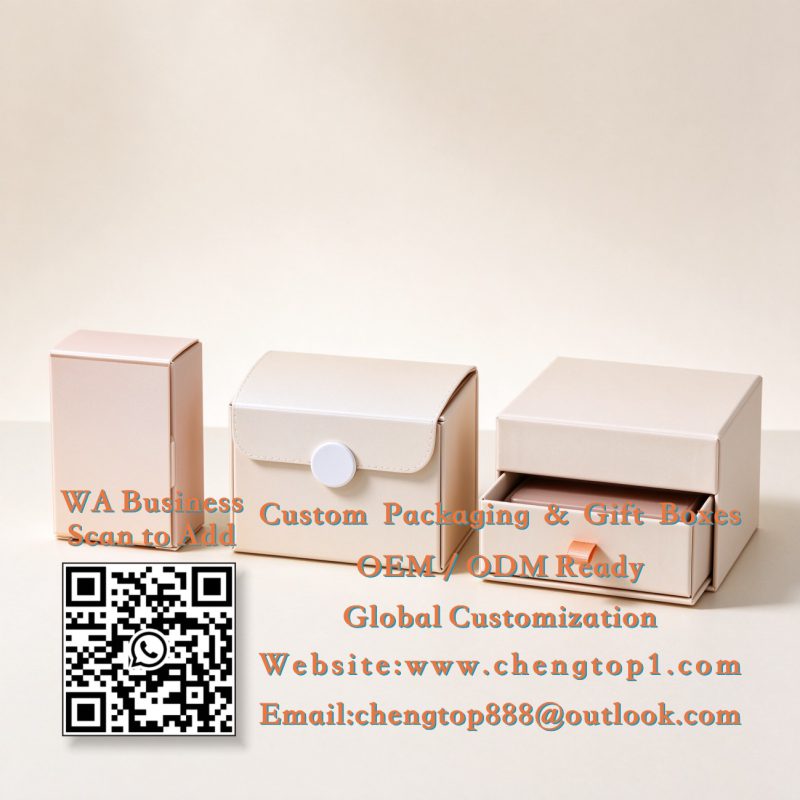
A finish applied by a separate pass can vary in register from batch to batch. A spot UV panel that lands a fraction differently on one shade makes that carton look like a different product. Keep the finish on a common layout file for the set, and check the register on the extremes of the shade range rather than on one middle tone. The cosmetic boxes range covers soft-touch and spot UV builds, and the folding cartons range covers the score and panel details behind them.
Approving a Full Set Together
Approving shades one at a time invites drift: the second is compared to the first, the third to the second, and by the twelfth the base has walked away from the master. Lay the full set out together under the lighting of the display, next to the physical master. Where a shade is added later, pull the master and two neighbouring shades from the approved set for the comparison.
Checks Before the Set Is Printed
- Approve a colour master on production board with the final finish applied.
- Keep base, logo and typography on plates common to every variant.
- Fix the barcode and shade code position across the whole set.
- Check finish register on the lightest and darkest shade.
- Lay the full set out under display lighting against the master.
Short runs are often scheduled around a launch date, which means a shade may be printed weeks after its neighbours. Keep the common plates and the colour master together in the job record so a later run can be set up from the same reference. Where a shade is retired, note which plates stayed in use for the rest of the set.
Send the shade count, the finish and the expected run length per shade when you ask for a quote. With the standard, the plate plan and the approval sequence settled together, the range reads as one family on shelf even when the shades are printed weeks apart.