
Put a QR Code on Your Thank You Card: Turning One Insert Into a Landing Page Funnel
A thank you card already sits in the customer’s hands at the moment of highest attention — but most brands waste it on a printed URL nobody types. Adding one well-spec’d QR code turns the same card into a trackable funnel: warranty sign-ups, reorder discounts, reviews. Here is how to wire the card and the landing page together, and the print specs that make the code scan first time.
Request a Quote
Enter the quantity you need and add to your quote list for pricing inquiries.
Description
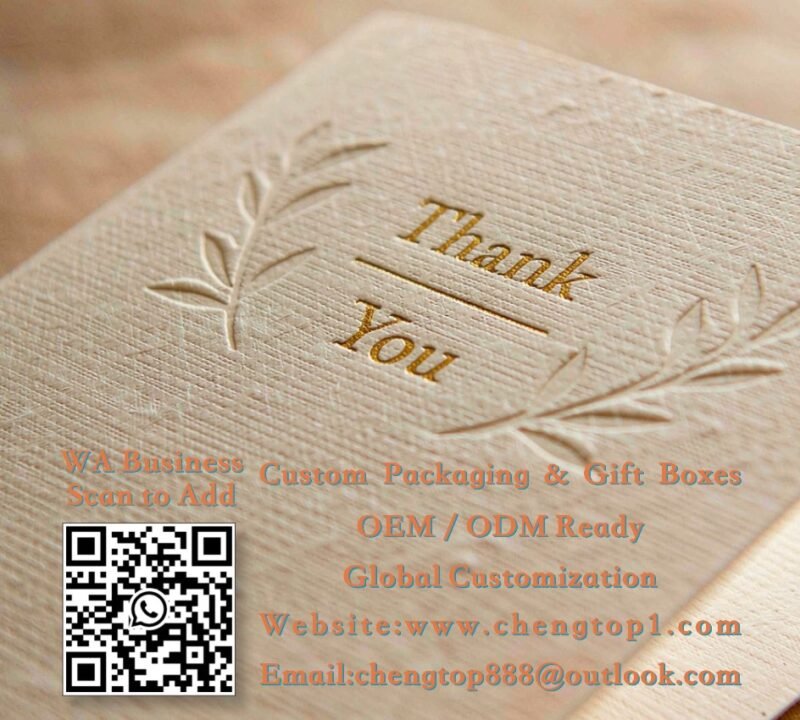
Print a web address on a card and measure what happens: almost nothing, because typing a URL into a phone is effort nobody volunteers at the unboxing moment. Put a QR code in the same corner and the friction drops to a two-second camera scan. The card was already doing its emotional job — saying thank you, explaining the size chart, carrying the reorder code. The QR adds a measurable layer on top: every scan is countable, attributable, and lands the customer on a page you control. For brands that already order custom thank you cards, this upgrade costs almost nothing at print time — the real work is deciding what the scan should lead to, and getting the code geometry right so it works on 250 gsm cardstock in real lighting.
One Scan, One Job: Deciding What the Landing Page Must Do

The common mistake is pointing the QR at the homepage and hoping. A customer who just opened a box is in a specific mood — curious, pleased, slightly busy — and the landing page needs exactly one action that matches it. Pick one primary job per card run and build the page around it:
- Reorder discount: the page applies the code at checkout — the direct repeat-purchase play
- Warranty or product registration: captures contact details while goodwill is fresh
- Review request: sends buyers straight to the review form, not the product page
- Care how-to video: works well alongside the care instructions printed on the card’s back
- Email sign-up with a first-order offer, for brands building a list
If the card already carries a size chart and care section, the QR page should complement rather than repeat them — a video or registration form extends the card; a wall of the same text wastes the scan.
Print Specs That Decide Whether the Code Scans First Time
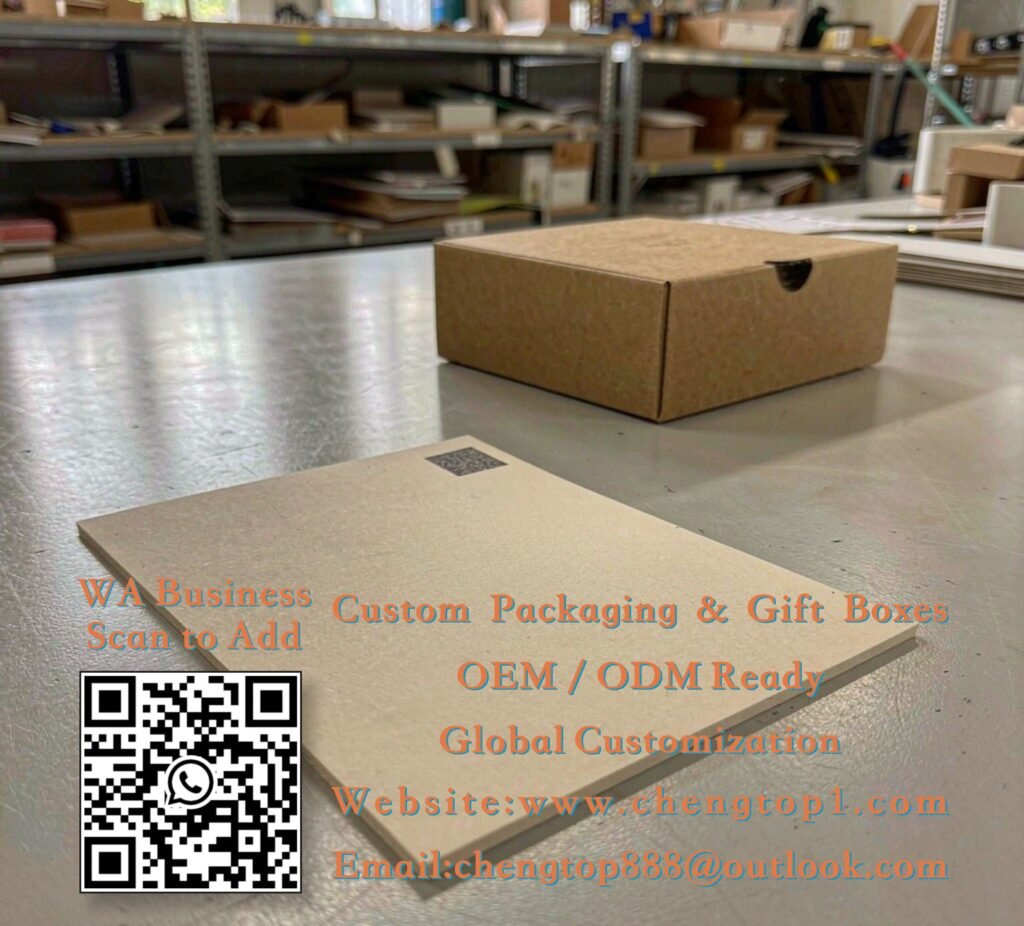
A QR that fails at the unboxing moment quietly deletes the whole funnel. Size is the first constraint: keep the printed code at 20 × 20 mm or larger for arm’s-length scanning, and give it a quiet zone — a clear margin of at least four module widths on every side with no pattern or border design touching it. Contrast matters more than aesthetics: dark code on a light field scans reliably, while reversed codes or low-contrast colour pairings fail under shop lighting. On paper stock, matte and uncoated surfaces scan more consistently than gloss laminate, which throws glare across the code at certain angles. Use a dynamic QR service rather than a static one — it lets you repoint the destination page, split-test offers or retire a campaign without reprinting cards already in the warehouse. Above all, test the actual proof: scan it on a handful of phones, in daylight and under warm indoor light, before the full run is approved.
Reading the Numbers, Then Iterating
The quiet advantage of the QR route is that it converts a printed insert into measurable marketing. Tag the destination URL with campaign parameters, and each card run reports its own scan rate and conversion. A useful expectation to plan around: scan rates on packaging inserts commonly land in the low single digits as a percentage of orders, and the customers who do scan are disproportionately the ones about to reorder or leave a review — a small number of high-intent visitors rather than a traffic flood. Judge the funnel on conversion per scan, not raw scan counts, and change one variable at a time: the offer, the page, the code placement on the card. When a run’s numbers disappoint, the printed card is rarely the culprit — the page’s single job was unclear.
Iteration is cheap precisely because the code is dynamic: swap the landing page, the offer and the tracking without touching the printed card stock in your warehouse. The one thing that does need coordination is consistency — a card run produced for a Valentine’s campaign should not still be scanning to a February page in June. Note the campaign window on the print order, and plan the insert quantity to match the products it ships with, the same way you would pair card quantities with a gift-set run. And the same coding logic extends across the packaging set: the identical dynamic code can go on a custom label on the product itself, giving repeat buyers a scan point that outlives the insert card entirely.
Ready to Wire It Up?
Send us your card size, QR destination and logo — we will suggest the code placement, run a free artwork and test-scan check, and reply with a quote within 24 hours.